Wood Burner Sauna Stove Fit Selector
Input your sauna volume, usage pattern, wood moisture quality, and draft readiness. The tool returns a fit band, boundary notes, and next-step actions so you can move from intent to safer execution.
Default profile: 12 m3 sauna, 4 sessions/week, 45 minutes/session, $5.2 fuel/session, and 18% moisture fuel.
Boundary reminder: unresolved flue readiness, wet firewood, or strict local burn restrictions should force a conditional or pause decision before checkout.
Tool output to report verification bridge
After running the selector, map your result band with this bridge. It tells you where to verify evidence and what action to take before any payment decision.
| Tool status | Interpretation | Verify in report | Next move |
|---|---|---|---|
| Strong Fit | Your shortlist is compatible with room size, budget, and readiness boundaries. | Key numbers + concept boundaries + decision doc pack + risk matrix | Send the result card to [email protected] and request a final manual shortlist before purchase. |
| Conditional Fit | A workable option exists, but moisture, draft readiness, or local burn constraints still need confirmation. | Fit boundaries + policy timeline + regional rules + evidence gaps | Re-run with conservative assumptions and resolve one blocker at a time. |
| Boundary Hit | Current setup has one or more blocking risks for safe or legal operation. | Compliance boundaries + decision doc pack + alternatives + FAQ | Pause checkout and use an alternative path until blockers are closed. |
Intent split and anti-duplication angle
This URL is intentionally scoped to constraint-first wood-stove decisions. It separates immediate fit checking from broad best-of-ranking pages so users can complete a safer next action in one workflow.
| Route | Do intent | Know intent | Use when |
|---|---|---|---|
| /learn/wood-burner-sauna-stove (this page) | Tool-first route for burner-first query intent: immediate fit checks with room volume, fuel moisture, draft readiness, and restriction inputs. | Decision report centered on pre-purchase burner gates: compliance timing, burn-rule variance, and known unknowns. | Use this page when your question is “can a wood burner sauna stove path be executed safely right now in my location and setup?” |
| /learn/sauna-stove-wood | Constraint-first route for broader wording where buyers need fit, risk controls, and fallback routing across adjacent heating paths. | Broader evidence layout for mixed readiness profiles where the buyer may still pivot across electric, propane, and wood. | Use that page when your question is “which sauna stove wood direction should I compare before narrowing to a burner-first decision?” |
| /best/best-wood-burning-sauna-stove | Broader best-of selection flow focused on comparing classes and flagship model families. | Ranking-oriented guidance for shortlist framing across more buyer archetypes. | Use that page when your question is “which wood-burning stove class is generally best before tailoring to my constraints?” |
| /learn/electric-sauna-stove and /learn/propane-sauna-stove | Fallback comparison routes when wood-burning boundaries remain unresolved. | Alternative-path evidence on wiring, gas-line, permit, and operating-cost differences. | Use those pages when your wood plan is blocked by venting, local burn bans, or household safety limits. |
Report summary: what matters most before you buy
This hybrid page is designed for mixed intent: immediate decision support + evidence-backed confidence checks. Use the tool first, then use these conclusions to pressure-test your shortlist.
Query intent is split between immediate product selection and deeper safety/compliance evaluation. This page keeps both in one workflow: run the selector first, then verify boundaries before checkout.
Source: SERP sampling audit log for "wood burner sauna stove" + TentSaunaSupply hybrid architecture policy (checked May 8, 2026)
When moisture rises above target, ignition and smoke-control reliability drop quickly, often forcing conditional results even for otherwise strong stove options.
Source: EPA moisture meter guidance + Burn Wise archive notice (checked May 8, 2026)
Legacy listing screenshots from older products should not be treated as current compliance proof. Validate the exact model in the EPA certified wood-heater database before checkout.
Source: EPA NSPS + EPA certified wood heater database (updated September 23, 2025; checked May 8, 2026)
Model eligibility can change after sale launch. Treat certificate screenshots as time-bound evidence and recheck database status immediately before deposit.
Source: EPA Residential Wood Heater Compliance Monitoring Program (updated May 1, 2026; checked May 8, 2026)
Stove selection should not continue until alarm coverage, draft readiness, and shutdown protocol are documented. CPSC also recommends annual professional inspection of heating systems, vents, chimneys, and flues.
Source: CPSC Carbon Monoxide Fact Sheet (checked May 8, 2026)
Do not assume the federal biomass stove credit is still available in 2026. IRS 2025 instructions show no credit for expenditures after December 31, 2025 under current law.
Source: IRS Energy Efficient Home Improvement Credit + Form 5695 instructions (updated April 28 and April 30, 2026)
Even top-ranked stove classes require recurring inspection and operating discipline, not just feature-level comparisons.
Source: USFA residential heating-fire statistics page (checked May 8, 2026)
Report publication timeline
Published: May 8, 2026
Last updated: May 8, 2026 (stage2 seo-geo closure pass: GEO gate + SEO 100 + MVF verification)
Review cadence: refresh this page every 6-12 months.
Stage1b gap audit: what was weak and how it was fixed
This refresh targets decision-impacting gaps only. It does not rewrite existing copy for style; each row maps a prior weakness to a verifiable enhancement.
| Gap found | Decision impact | Enhancement applied | Current status |
|---|---|---|---|
| Safety severity baseline used misattributed values | The old row mixed incompatible datasets and overstated 2023 deaths/injuries for the cited USFA table. | Replaced with USFA 2023 values from the residential heating-fire page: 27,900 fires, 115 deaths, 525 injuries, and $488M loss. | Closed. |
| CO harm scale cited outdated emergency-visit wording | Readers could carry a stale risk baseline into family-safety planning. | Updated CPSC row to current wording: over 200 deaths and several thousand injuries yearly from non-automotive consumer-product CO. | Closed. |
| Certification coverage ignored post-certification enforcement risk | Users could treat one-time listing screenshots as permanent compliance proof. | Added EPA compliance-monitoring evidence (deficiency/revocation/termination counts) and a direct recheck rule before deposit. | Partially closed: counts published on EPA page are current only through May 1, 2022 and need future refresh. |
| Regional-rule section lacked the latest trigger deltas | Strict-zone buyers could underestimate legal downtime risk. | Added BAAQMD 2025 amendment detail (mandatory no-burn threshold lowered to 25 ug/m3) and retained Puget stage-trigger thresholds. | Closed for cited jurisdictions. |
| Archived-source boundaries were not explicit in cost assumptions | Readers could treat historical installation-cost ranges as live market quotes. | Marked EPA Burn Wise FAQ pricing as historical screening data and added a permit/installer checklist boundary. | Partially closed: local quote variance remains high and is tracked in known-unknowns. |
Policy timeline that affects stove decisions
| Date | Event | Decision impact | Source |
|---|---|---|---|
| May 15, 2020 | EPA NSPS Step 2 sell-through grace period ended for older residential wood-heater inventory. | Do not treat pre-2020 certification assumptions as current proof for new purchases. | EPA residential wood-heaters NSPS page |
| February 7, 2024 | EPA finalized the annual PM2.5 standard at 9.0 ug/m3 (from 12.0 ug/m3). | Tighter ambient-pollution targets can increase local pressure for restrictive wood-smoke operating days. | EPA PM NAAQS final reconsideration |
| January 1, 2025 | IRS Form 5695 instructions require a qualified manufacturer identification number (QMID) for qualified products placed in service after 2024. | If the seller cannot provide QMID documentation, tax-credit assumptions should be removed from total-cost planning. | IRS Form 5695 instructions |
| October 1, 2025 | BAAQMD adopted Rule 6-3 amendments and lowered mandatory no-burn trigger from forecast 30 ug/m3 PM2.5 to 25 ug/m3. | A technically suitable stove can still face frequent legal-use interruptions in stricter districts. | BAAQMD wood-smoke program page |
| October 30, 2025 | EPA archived Burn Wise program updates. | Use Burn Wise for baseline practices, but verify live legal requirements from current state and local regulators. | EPA Burn Wise archive notice |
| December 31, 2025 | IRS 2025 Form 5695 instructions state no Energy Efficient Home Improvement Credit for expenditures after this date. | 2026 purchase plans should not include federal 25C biomass credit unless law changes and updated IRS guidance confirms it. | IRS Form 5695 instructions |
| April 28 and April 30, 2026 | IRS updated the Energy Efficient Home Improvement Credit page and Form 5695 instructions while retaining the post-2025 biomass-credit cutoff. | 2026 buyers should default federal biomass credit to zero unless new law and IRS guidance explicitly reopen eligibility. | IRS credit page + Form 5695 instructions |
| May 1, 2026 | EPA refreshed the compliance-monitoring page and published latest available deficiency counts (as-of May 1, 2022) for certified model lines. | Certification should be treated as a status to recheck, not a permanent property captured once during early research. | EPA compliance monitoring program |
Key numbers that change stove decisions
| Dimension | Value | Decision implication | Source |
|---|---|---|---|
| EPA moisture target for cleaner burns | <20% moisture content | Treat wood quality as a pre-purchase gate. Wet fuel can push a top-ranked stove into boundary status. | EPA Burn Wise moisture meter guidance |
| EPA Step 2 emissions standard | 2.0 g/hr (crib) and 2.5 g/hr (cordwood) | Use this as a baseline gate for new residential wood-heater sales claims in the US. | EPA choosing the right wood-burning stove |
| Federal biomass credit timing and cap | IRS 25C biomass stove/boiler credit: 30% up to $2,000 for eligible property placed in service before January 1, 2026 | If your timeline is in 2026, model net cost without assuming this federal credit unless IRS guidance changes. | IRS energy efficient home improvement credit |
| Tax-claim documentation boundary | IRS Form 5695 2025 instructions require QMID for eligible product claims and state no credit after December 31, 2025 | Credit assumptions must be document-backed; otherwise treat tax benefit as zero in decision modeling. | IRS Form 5695 instructions |
| EPA certification verification workflow | Search by manufacturer/model and check Step 2 status in EPA database | Do not rely on screenshots or reseller claims alone; verify model identity and compliance class before deposit. | EPA certified wood heater database |
| EPA post-certification enforcement signal | EPA compliance monitoring (updated May 1, 2026) reports major deficiencies in 14 of 46 model lines as of May 1, 2022, with 2 revoked certificates and 20 terminated lines | Certification status should be rechecked right before purchase; stale screenshots are not enough. | EPA compliance monitoring program |
| CO alarm placement baseline | Install on every level and outside sleeping areas | Alarm layout is a purchase gate, not a post-install accessory decision. | CPSC carbon monoxide fact sheet |
| CO harm severity baseline | CPSC: CO from non-automotive consumer products causes more than 200 deaths and several thousand injuries each year | CO planning belongs in pre-purchase design, not post-install troubleshooting. | CPSC carbon monoxide fact sheet |
| Tent-use fuel-burning boundary | CPSC: never use portable fuel-burning camping equipment inside a tent unless specifically designed for enclosed use | Temporary tent-style contexts should default to boundary-hit unless equipment and ventilation are explicitly engineered for enclosure use. | CPSC carbon monoxide fact sheet |
| Puget Sound Stage 1 / Stage 2 burn-ban thresholds | Stage 1 forecast trigger includes PM2.5 >35 ug/m3 (48h) in King/Kitsap and >30 ug/m3 (72h) in Pierce/Snohomish; Stage 2 bans any wood device use except approved exemptions | Local legal status can override technical fit; strict-zone buyers need jurisdiction-specific scenario planning. | Puget Sound Clean Air burn-ban framework |
| Federal PM2.5 policy shift | EPA reduced annual PM2.5 NAAQS to 9.0 ug/m3 on February 7, 2024 | Stricter ambient standards increase the probability that local agencies tighten wood-smoke controls over time. | EPA PM NAAQS final reconsideration |
| Bay Area mandatory no-burn trigger change | BAAQMD 2025 amendments lowered mandatory no-burn threshold from forecast 30 ug/m3 to 25 ug/m3 PM2.5 | A model can be technically strong-fit but still face more frequent legal-use interruptions in high-control zones. | BAAQMD Rule 6-3 amendment summary |
| State-level compliance example (Washington) | WA requires all wood heaters made after 1939 to be emission tested and disallows sale/installation of uncertified units in Washington | Local jurisdiction can add extra sale/install constraints beyond federal headline metrics. | Washington Ecology wood stove information |
| Washington visible-smoke boundary | Smoke darker than 20% opacity for more than 6 consecutive minutes is illegal | Operation quality and fuel condition remain legal-risk factors even with certified equipment. | Washington Ecology wood stove information |
| Historical appliance purchase range (archived source) | EPA Burn Wise FAQ historical range: roughly $750 to $3,500 for a stove replacement | Use only as early-screening context; final pricing needs current local quotes. | EPA Burn Wise FAQ (archived) |
| Historical installation-cost range (archived source) | EPA Burn Wise FAQ historical range: about $600 to $1,200 for installation | Treat as a placeholder until installer bids and local permit fees are confirmed. | EPA Burn Wise FAQ (archived) |
| Harvia M3 official compact benchmark | 212-459 ft3 room volume, 66.2 lb stones, 11.81 in front clearance | Compact class can be viable, but clearances and minimum room height remain hard install gates. | Harvia M3 official product page |
| Harvia Legend 150 high-stone benchmark | 6-13 m3 room volume and 120 kg stone capacity | Higher stone mass can improve steam stability but increases floor-load and handling requirements. | Harvia Legend 150 official page |
| Harvia Pro 20 lifecycle warning | Room 8-20 m3, 40 kg stones, product life cycle status: discontinued | Mid-volume class fit may look strong, but discontinued models can raise spare-part and service risk. | Harvia Pro 20 official page |
| US heating-fire severity baseline | USFA estimate for 2023: 27,900 home heating fires, 115 deaths, 525 injuries, and $488M property loss | Annual inspection and maintenance budget should be treated as required operating scope. | USFA residential heating-fire statistics |
| Burn Wise content maintenance status | EPA archived Burn Wise updates after October 30, 2025 | Use Burn Wise as historical guidance, then validate with current local code and current enforcement pages. | EPA certified wood stoves page notice |
Fit / not-fit boundaries before checkout
| Profile | Fit signals | Not-fit signals | Next step |
|---|---|---|---|
| Best-fit profile | Sauna volume and stove class align, moisture is under 20%, and draft path is code-ready. | Volume mismatch over 30%, wet fuel, no clear flue path, or unresolved burn-day constraints. | Proceed to manual shortlist and collect EPA model verification + local compliance documents. |
| Conditional profile | One boundary remains open (for example draft buildout, seasonal burn alerts, or maintenance capacity). | Multiple boundaries stack together and force repeated rework after purchase. | Close the highest-risk boundary first, rerun tool, and confirm regional legal-use rules before deposit. |
| Not-fit profile | None. If boundary-hit appears, prioritize safety and legal readiness over feature comparison. | Tent-hybrid use, strict-zone burn limits with high-mass stove, or no flue plan. | Switch to alternatives section and stage a lower-complexity solution path. |
Methodology and calculation logic
Convert all numeric fields to bounded values and reject invalid ranges before scoring. This keeps results deterministic.
Each stove class is scored across volume, budget, usage, maintenance, context, and fuel-moisture dimensions.
Draft readiness and air-quality constraints apply non-linear penalties so risky setups cannot hide behind high base scores. Regional stage-rule examples are used as strict-zone proxies.
Top score, margin versus runner-up, and hard-boundary checks determine strong/conditional/boundary output status.
Each result band includes explicit next-step CTA and fallback path so the output drives action rather than passive reading.
Concept boundaries and applicability conditions
This matrix separates what each concept actually covers versus what it does not cover. Use it to avoid false confidence from single metrics or out-of-context claims.
| Concept | Valid scope | Not covered | Execution rule |
|---|---|---|---|
| EPA Step 2 compliance | Applies to qualifying residential wood heaters sold in the US and should be verified at manufacturer + model level. | Does not automatically grant local operating permission on no-burn days or district alert days. | Pair EPA database verification with local air-district burn-rule checks before deposit. |
| EPA moisture guidance | EPA moisture-meter flyer sets practical fuel-quality target (under 20%) and split-face measurement method. | Does not guarantee equal performance across stove designs, draft systems, or room envelopes. | Use the 20% threshold as a hard pre-burn gate and keep result confidence conditional when moisture data is missing. |
| CPSC CO guidance | CO alarm placement and annual inspection guidance are minimum life-safety controls. | Alarm presence does not validate enclosure design for tent or temporary fuel-burning use. | Keep tent-hybrid contexts in boundary-hit mode unless enclosure suitability is explicitly validated for fuel-burning equipment. |
| IRS biomass credit | IRS page and 2025 Form 5695 instructions define timing, 75% efficiency, and documentation expectations. | They do not guarantee that a specific sauna-only configuration qualifies without tax-specific interpretation. | Treat tax benefit as conditional until placed-in-service date and model documentation are confirmed. |
| State-level wood-stove rules | State agencies can add requirements (for example certified status, burn bans, and prohibited materials). | One state rule summary is not a universal rulebook for all jurisdictions. | Use your own state/county authority as the final compliance source before purchase. |
Minimum decision document pack before checkout
| Document | Required for | Minimum evidence | Failure if missing |
|---|---|---|---|
| EPA model verification record | Any shortlist option marketed as compliant or low-emission in US sale context. | EPA database entry showing manufacturer, exact model, and Step 2 status. | High risk of relying on brochure-level claims that do not match model-level compliance. |
| Local burn-rule proof | Buyers in districts with seasonal or alert-based burn rules. | Current rule page screenshot/PDF from your air authority with trigger and prohibition scope. | You may buy a compliant heater that still cannot run when your usage demand peaks. |
| Site measurement and clearance sketch | All new installations before order confirmation. | Measured room volume, clearance map, chimney/draft path, and combustible-adjacent distances. | Frequent rework risk, delayed install, and avoidable safety non-conformance. |
| CO readiness checklist | Any fuel-burning deployment where household occupancy and sleep areas are nearby. | Alarm locations by floor, outside sleeping areas, and annual professional inspection plan. | Life-safety control gaps at startup and seasonal high-usage periods. |
| Tax-credit evidence (conditional) | Scenarios where net-cost model includes IRS 25C biomass credit assumptions. | Placed-in-service date in eligible window + qualified product documentation (including QMID for 2025 claims). | Budget model can be materially wrong and push buyers toward unaffordable class choices. |
Compliance boundaries that invalidate weak shortlists
These are hard decision boundaries pulled from regulator and safety-agency guidance. If one row fails, treat the recommendation as conditional or blocked until the boundary is closed.
| Boundary | Requirement | Decision impact | If missed | Source |
|---|---|---|---|---|
| Federal emissions compliance | EPA Step 2 sets 2.0 g/hr (crib) and 2.5 g/hr (cordwood) limits for new residential wood heaters offered for sale in the US. | Any model outside current Step 2 boundaries should be treated as a no-go for new-purchase shortlist. | Buying against outdated certification assumptions can create legal, insurance, and resale risk. | EPA certified wood stoves |
| Model-level proof, not brochure claims | EPA database allows lookup by manufacturer/model and includes Step 2 status plus emissions, efficiency, and CO fields. | Require a model-level evidence screenshot or export before paying a deposit. | Brand-level marketing claims can hide model-specific compliance differences. | EPA certified wood heater database |
| Certification lifecycle recheck | EPA compliance-monitoring findings show that certified lines can later receive deficiency notices, certificate revocation, or line termination. | Before paying a deposit, recheck latest database status and manufacturer documentation for the exact model line. | Assuming an old listing is still valid can create compliance and resale risk. | EPA compliance monitoring program |
| CO readiness | CPSC guidance calls for CO alarms on every level and outside sleeping areas, with battery backup where needed. | Treat alarm layout and test routine as pre-commissioning requirements. | Postponed alarm planning elevates life-safety risk during startup and seasonal use spikes. | CPSC carbon monoxide fact sheet |
| Tax-credit eligibility guardrail | IRS 25C biomass credit assumptions require eligible timing, efficiency documentation, and claim-ready records. | Budget calculations must treat tax savings as conditional until documents and dates are confirmed. | Assuming unavailable credit can push buyers into unaffordable class choices. | IRS Form 5695 instructions |
| Annual inspection cadence | CPSC guidance recommends annual professional inspection of heating systems, vents, chimneys, and flues. | Ownership budget must include recurring inspection labor, not only stove purchase cost. | Skipping annual checks increases fire risk and long-term reliability drift. | CPSC carbon monoxide fact sheet |
| Permit and installer gate | EPA Burn Wise FAQ says permit requirements depend on your city/county building department and installation should be done by a certified technician. | A strong-fit model still cannot proceed until local permit path and installer scope are confirmed. | Skipping permit/installer checks can trigger rework, failed inspections, or delayed commissioning. | EPA Burn Wise FAQ (archived) |
| State-specific sale/install constraints | State regulators can enforce additional rules such as certification eligibility, prohibited fuels, and no-burn operations. | Compliance workflow must include your jurisdiction-specific rule source, not only federal references. | Federal-only checks can miss local no-use and installation restrictions. | Washington Ecology wood stove information |
Regional rule contrast: where legal usage can differ
This section does not replace local legal advice. It shows verified examples proving why one-size-fits-all usage assumptions fail across jurisdictions.
| Region pattern | Rule signal | Trigger detail | Buyer action | Source |
|---|---|---|---|---|
| Puget Sound (WA) stage-based bans | Stage 1 restricts uncertified devices; Stage 2 bans all wood devices (including pellet stoves) except approved exemptions. | Agency lists PM2.5 forecast triggers including >35 ug/m3 within 48h (King/Kitsap) and >30 ug/m3 within 72h (Pierce/Snohomish). | If you live in a frequent-ban area, run a stress test scenario and keep a non-wood fallback path. | Puget Sound Clean Air burn-ban framework |
| Bay Area (CA) rule 6-3 | Rule 6-3 2025 amendments lowered the mandatory no-burn trigger from forecast 30 ug/m3 to 25 ug/m3 PM2.5 and tightened disclosure requirements. | Lower thresholds increase expected no-burn frequency in bad-air episodes even when a device is technically compliant. | Model fit should be paired with operational legality checks, especially for frequent alert zones. | BAAQMD Rule 6-3 amendment summary |
| Washington state baseline | State guidance requires certified devices and allows local agencies to issue no-burn periods under deteriorating air-quality conditions. | Washington Ecology also lists prohibited materials and sets a visible-smoke rule (over 20% opacity for more than 6 consecutive minutes). | Capture your own state/county authority page and align your usage assumptions to its no-burn and fuel rules. | Washington Ecology wood stove information |
| Temporary / tent contexts | CPSC warns against using portable fuel-burning camping equipment in tents unless equipment is explicitly designed for enclosed use. | This is a life-safety boundary, not a comfort optimization detail. | Default to non-combustion alternatives until enclosure safety and ventilation are professionally validated. | CPSC carbon monoxide fact sheet |
Evidence ledger and usage map
| Evidence | How this page uses it | Source |
|---|---|---|
| EPA Burn Wise archive notice (program update status) | Used to mark historical guidance boundaries and force current regulation checks. | EPA certified wood stoves |
| EPA moisture meter workflow and seasoning guidance | Supports the moisture validation ranges and conditional-fit threshold warnings. | EPA moisture meter page |
| EPA Step 2 emission limits for new room heaters | Used in compliance checks and FAQ boundaries about certification claims. | EPA residential wood-heaters NSPS |
| EPA searchable certified wood-heater database fields | Used in the document-check workflow (manufacturer/model, emissions, Step 2 status, and CO values). | EPA certified wood heater database |
| EPA compliance-monitoring findings on certified model lines | Used to enforce a pre-deposit recheck rule and avoid stale-certificate assumptions. | EPA compliance monitoring program |
| CPSC carbon monoxide prevention guidance and alarm placement baseline | Used for CO alarm readiness, tent-use boundary warnings, and safety FAQ updates. | CPSC carbon monoxide fact sheet |
| IRS biomass credit timing and amount baseline | Used to prevent outdated net-cost assumptions in purchase planning and result interpretation. | IRS energy efficient home improvement credit |
| IRS Form 5695 2025 instructions (QMID and timing limits) | Used for document-check requirements and post-2025 tax-credit boundary warnings. | IRS Form 5695 instructions |
| EPA Burn Wise FAQ installation and permit Q&A (archived) | Used as historical-cost context only; marked non-authoritative for live incentives and legal eligibility. | EPA Burn Wise FAQ (archived) |
| USFA home heating fire baseline and inspection reminders | Supports annual maintenance cadence and risk-prioritization messaging. | USFA residential heating-fire statistics |
| EPA PM2.5 annual standard revision (2024 rule) | Used to explain why local air districts may tighten wood-smoke operations over time. | EPA PM NAAQS final reconsideration |
| Puget Sound Stage 1/Stage 2 burn-ban rule details | Used to calibrate strict-zone narratives with explicit PM2.5 trigger examples and prohibition scope. | Puget Sound Clean Air burn-ban framework |
| Bay Area Rule 6-3 amendment trigger change (25 ug/m3 threshold) | Used to show how local trigger thresholds can tighten legal-use windows independent of model fit. | BAAQMD Rule 6-3 amendment summary |
| Washington state wood-stove compliance and burn-rule guidance | Used to demonstrate state-level constraints beyond federal certification headlines. | Washington Ecology wood stove information |
| Harvia M3 official technical specification table | Provides compact-class reference values for volume, clearances, and stone mass. | Harvia M3 official page |
| Harvia Legend 150 official technical specification table | Adds high-stone benchmark data for thermal-mass tradeoff analysis. | Harvia Legend 150 official page |
| Harvia Pro 20 lifecycle flag and technical table (discontinued status) | Used to add lifecycle and spare-parts risk to comparison and shortlist logic. | Harvia Pro 20 official page |
| HUUM HIVE Wood 17 and LS17 specification tables | Provides high-mass and tunnel-feed references for clearance and thermal-mass tradeoffs. | HUUM HIVE Wood product pages |
Source freshness and check dates
| Source family | Freshness marker | How this report uses it |
|---|---|---|
| IRS Energy Efficient Home Improvement Credit | Page last reviewed/updated April 28, 2026; checked May 8, 2026. | Used for biomass credit amount and timing window assumptions in cost planning. |
| IRS Form 5695 instructions (tax year 2025) | Page updated April 30, 2026; checked May 8, 2026. | Used for QMID and post-2025 eligibility boundary statements. |
| EPA certified wood heater database | Page updated September 23, 2025; checked May 8, 2026. | Used for model-level verification workflow and Step 2 status checks. |
| EPA compliance monitoring program | Page updated May 1, 2026; checked May 8, 2026. | Used to explain post-certification enforcement and recheck requirements. |
| USFA heating-fire statistics | USFA trend table page last reviewed February 14, 2025; checked May 8, 2026. | Used for the latest available annual severity baseline in this report. |
| CPSC carbon monoxide fact sheet | Fact sheet checked May 8, 2026. | Used for CO alarm placement, annual inspection, and enclosure-use warnings. |
| Regional air-rule sources (BAAQMD, WA Ecology, Puget) | Source pages checked May 8, 2026. | Used to show rule variance and why certification-only decisions fail in strict zones. |
| EPA Burn Wise archive and FAQ pages | Burn Wise archived October 30, 2025; pages checked May 8, 2026. | Used as historical baseline only; live legality and incentives are validated against non-archived regulator pages. |
Known unknowns and confidence boundaries
| Status | Unknown | Why it matters | Current handling |
|---|---|---|---|
| Pending confirmation (待确认) | Whether a sauna-specific wood-heater project in each buyer context qualifies for federal biomass credit treatment | Tax treatment can materially change total-cost decisions, but eligibility often depends on property use, installation context, and current IRS interpretation. | Report treats credit as conditional and requires tax-professional confirmation before using it in final budget approval. |
| Pending confirmation (暂无可靠公开数据) | Latest aggregate EPA deficiency/revocation counts after the May 1, 2022 cutoff shown on the May 1, 2026 compliance page update | Post-certification enforcement status can change model risk, but public aggregate updates are not published in near-real-time. | Page enforces a pre-deposit database recheck and marks this as an open monitoring item. |
| Pending confirmation (暂无可靠公开数据) | Live national installation-cost benchmark after Burn Wise archival | Archived EPA FAQ ranges are useful for screening but may not match 2026 labor, permit, and chimney-material pricing. | Historical ranges are labeled as directional only; final budgeting requires local installer quotes. |
| Pending confirmation (暂无可靠公开数据) | Public head-to-head efficiency tests across major wood-sauna stove brands | Without standardized independent tests, cross-brand fuel efficiency claims are difficult to compare fairly. | Tool focuses on fit boundaries and risk controls instead of ranking brands by unverified efficiency claims. |
| Pending confirmation (暂无可靠公开数据) | Jurisdiction-level burn-day enforcement data at neighborhood granularity | Local restrictions can override a technically valid stove setup on high-pollution days. | Strict-zone mode applies conservative penalties and flags manual legal review as mandatory. |
| Pending confirmation (暂无可靠公开数据) | Longitudinal household maintenance outcomes by stove class | Maintenance burden drives ownership success but public datasets are limited. | Maintenance commitment is treated as a scored dimension with explicit uncertainty notes. |
| Pending confirmation (暂无可靠公开数据) | Cross-dataset reconciliation between USFA, CPSC, and other fire/CO severity series | Different agencies use different scopes and incident definitions, which can distort direct numeric comparisons. | Rows now cite agency-specific metrics explicitly and avoid combining incompatible series in one headline. |
| Pending confirmation (暂无可靠公开数据) | Reliable open dataset linking sauna room envelope quality to real fuel spend | Fuel spend estimates can drift if insulation and leakage characteristics are unknown. | Tool exposes stress-month cost and marks it as directional rather than final total cost. |
Competitor and class comparison grid
| Option class | Sample model | Room volume | Stone mass | Clearance reference | Best for | Watchouts |
|---|---|---|---|---|---|---|
| Compact steel class | Harvia M3 (official spec) | 212-459 ft3 | 66.2 lb | Front to combustibles 11.81 in; side 9.84 in; ceiling 3.94 ft (as listed) | Budget-first buyers with compact sauna room targets | Compact footprint helps smaller rooms, but clearance and room-height checks remain mandatory. |
| High-stone compact class | Harvia Legend 150 | 212-459 ft3 | 264.6 lb | Front to combustibles 19.69 in; side 7.87 in; ceiling 3.28 ft (as listed) | Buyers prioritizing softer steam character without moving to large-room heater volumes | High stone weight increases handling and floor-load considerations during install. |
| Balanced cast-iron class | HUUM HIVE Wood 13 | 6-13 m3 | 90 kg | Check model manual and local code before install | Daily recovery workflow needing stronger steam consistency | Higher mass usually increases install complexity and warm-up expectations. |
| Legacy mid-volume steel class | Harvia Pro 20 | 8-20 m3 | 40 kg | Front 300 mm; side/back combustible 300 mm; ceiling 1.3 m | Reference point for medium-room sizing where buyers can confirm regional availability | Official product lifecycle status is discontinued; verify replacement model and spare-part support. |
| High-mass cylindrical class | HUUM HIVE Wood 17 | 8-16 m3 | 130 kg | Listed as 500 mm side/back and 1000 mm front | Long-loyly users prioritizing steam quality over rapid startup | Requires stronger floor/load planning and stricter spacing control. |
| Tunnel-feed class | HUUM HIVE Wood LS17 | 8-16 m3 | 130 kg | Listed as 500 mm side/back and 1000 mm front | Family rotation setups where loading from service side is preferred | High install complexity; not suitable for temporary or tent-style contexts. |
Risk matrix and mitigation actions
Use moisture meter and keep average moisture under 20% before high-frequency sessions.
EPA moisture meter guidanceInstall CO alarms on every level and outside sleeping areas, then document startup/shutdown and vent checks.
CPSC carbon monoxide fact sheetAvoid fuel-burning camping equipment in tents unless explicitly designed for enclosed use with safe instructions.
CPSC enclosure-use warningCheck local agency burn-ban stage rules before purchase and keep a non-wood fallback plan for alert periods.
Puget Sound Clean Air burn-ban detailsPair EPA certification checks with local alert/burn-ban rules and property-specific exemptions.
BAAQMD Rule 6-3 amendment summaryRecheck EPA database and compliance-monitoring updates immediately before deposit.
EPA compliance monitoring programModel decision with zero federal credit by default, then add credit only when IRS timing and documentation checks pass.
IRS Form 5695 instructionsUse manufacturer specs and in-person measurements before order confirmation.
HUUM product safety-distance listingsSet annual inspection + cleaning calendar and attach it to ownership budget.
USFA residential heating-fire statisticsUse archived EPA FAQ pricing only as directional and replace with local written quotes.
EPA Burn Wise FAQ (archived)Confirm local authority interpretation for your exact heater category before final payment.
Washington Ecology wood stove informationAlternative paths when wood-burning fit fails
| Path | When to choose | Tradeoff | Decision trigger |
|---|---|---|---|
| Electric sauna heater path | Choose when local burn rules or flue readiness make wood operation non-viable in the current timeline. | Lower local emissions complexity but higher electrical infrastructure dependence. | Boundary-hit remains after two reruns due to burn restrictions or draft blockers. |
| Portable steam/tent path | Choose for renter-friendly or temporary use where permanent flue infrastructure is unrealistic now. | Lower install complexity but different heat profile and lower traditional wood-stove experience. | Need immediate sessions while planning a future permanent buildout. |
| Delay purchase and stage infrastructure | Choose when the desired wood-stove class is viable only after structural, compliance, or ventilation upgrades. | Slower timeline but lower long-term safety and rework risk. | Top-ranked class is stable only under assumptions not currently true in the site conditions. |
Scenario lab: concrete examples
Setup: 11 m3 room, medium maintenance, existing code-ready flue, and 18% moisture fuel.
Tool result: Strong-fit tends to favor compact or balanced class with moderate monthly fuel spend.
Decision move: Proceed to shortlist and manual document check before checkout.
Setup: 14 m3 room, high-heat pattern, seasonal restrictions, and new flue still planned.
Tool result: Conditional-fit usually appears; high-mass class may rank first but with boundary notes.
Decision move: Close draft buildout and burn-rule verification before committing to high-mass class.
Setup: Temporary structure, moisture above 24%, and no finalized flue plan.
Tool result: Boundary-hit is expected regardless of nominal room-volume fit.
Decision move: Switch to alternatives path and delay wood-burning purchase.
Setup: 16 m3 target, medium maintenance, and preference for outside loading workflow.
Tool result: Tunnel-feed class often ranks high if clearance and install complexity are acceptable.
Decision move: Validate spacing, service-side workflow, and installation documentation before order.
Product-image layout references
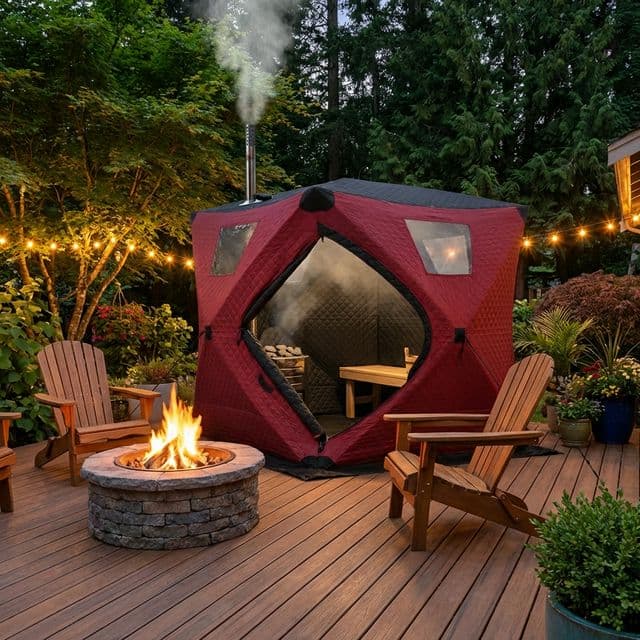
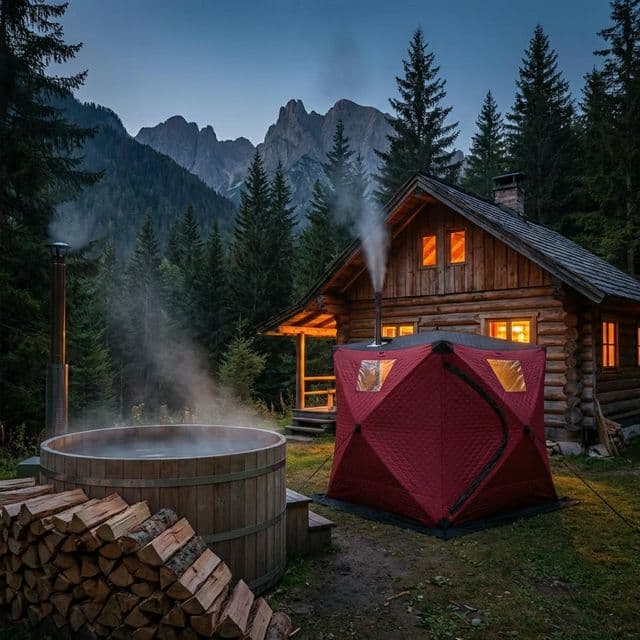
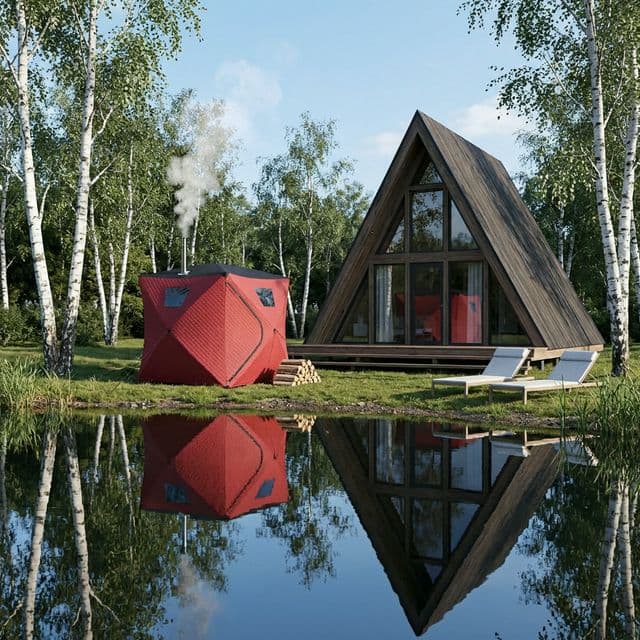
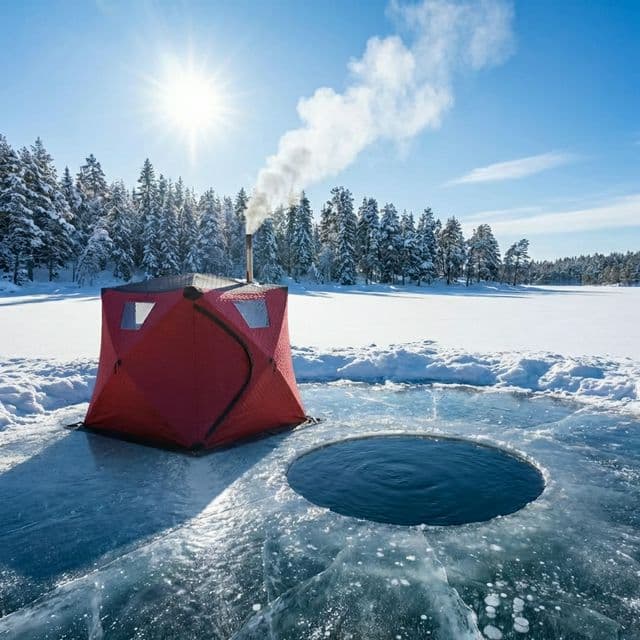
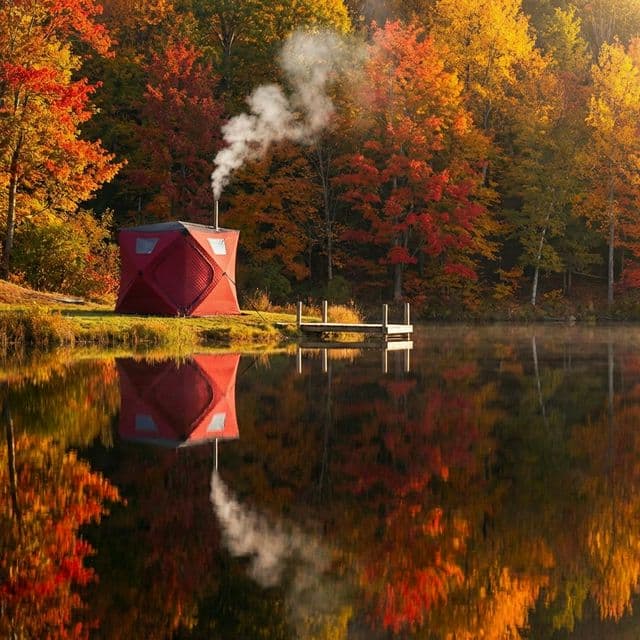
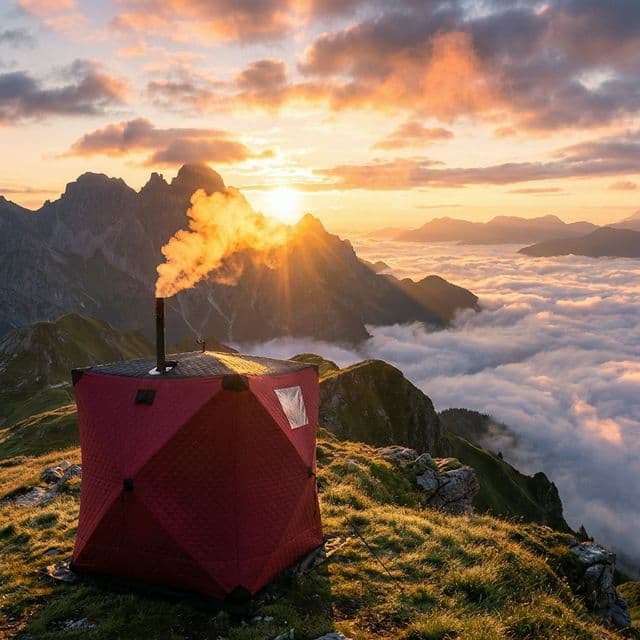
Gallery assets below come from the project product-image library and are used as layout context references. Final model verification still relies on documented specs and compliance checks.