
Portable Home Steam Sauna Fit Planner
Check whether a portable steam setup actually fits your home, not just the product listing. This planner weighs room area, fold-away storage, branch-circuit headroom, dry-out discipline, and household risk before you spend.
Default profile: 18 sq ft room envelope, 9 sq ft fold-away storage, dedicated 15A circuit, four 25-minute sessions/week, and 17.30 cents/kWh.
Safety boundary: high heat-risk profiles should treat this tool as planning scaffolding only, not as a substitute for clinician guidance.
Tool output to report verification bridge
Use this bridge immediately after the planner returns a band. It tells you where to read next before you treat a portable home steam sauna score as a buy signal.
| Tool status | Immediate interpretation | Verify in report | Next move |
|---|---|---|---|
| Ready Path | Your room, outlet, and dry-out assumptions are stable enough to compare actual product tiers. | Market specs + comparison grid + source log | Email support with your top one or two format tiers before you place an order. |
| Conditional Path | A portable steam setup may work at home, but one weak boundary still needs to be fixed first. | Home fit boundary + risk matrix + scenarios | Fix the weakest link, usually storage, circuit certainty, or dry-out discipline, then rerun the tool. |
| Boundary Hit | Current assumptions create a high chance of breaker trips, damp storage, or low adherence. | Risk matrix + known vs unknown + FAQ safety group | Pause checkout and reduce wattage, frequency, or placement complexity before you buy. |
| Pause + Screen | Health-risk context overrides technical positives until heat exposure is individually screened. | Methodology + FAQ safety group | Keep heat goals conservative and use clinician-informed limits before you treat any strong fit score as a go signal. |
Portable home steam sauna decisions need a home-fit screen before they need a product pitch
The tool layer solves the first question: can a portable steam setup actually work in your room and routine? The report layer answers the second: what current evidence supports or limits that conclusion, and what should you verify before checkout?
Published: March 23, 2026. Last updated: March 23, 2026 (stage1 primary + stage1b research enhance + stage1c self-heal pass). Time-sensitive figures are date-marked in the evidence ledger and source log.
March 23, 2026 audit: brand product pages, category hubs, and roundup lists dominate
Searchers want a fast way to decide if a portable home steam sauna is feasible right now, but the ranking pages do not usually explain room, storage, or moisture boundaries in enough detail.
Source: Live SERP audit for "portable home steam sauna" checked March 23, 2026.
Current examples checked March 23, 2026 span about 800W to 1600W
That range is low enough to feel home-friendly, yet still high enough to expose shared-circuit, cleanup, and storage mistakes when buyers assume any outlet or room will work.
Source: Homedics SaunaZen, Warrior Willpower Portable Home Steam Sauna, and SaunaBox SmartSteam Pro product pages checked March 23, 2026.
2025 U.S. residential average: 17.30 cents/kWh; state range: 11.81-40.59 cents/kWh
Portable steam often looks inexpensive to run, but the same weekly routine can still cost materially more in high-rate states or when warmup behavior is inconsistent.
Source: EIA Electric Power Monthly tables 5.3 and 5.6.B released February 24, 2026.
Use ventilation and dry-out discipline; keep humidity under control and dry wet materials within 24-48 hours
The enclosure may fold away, but damp mats, chairs, fabric, and nearby room surfaces still need a real dry-out plan if you want repeatable home use.
Source: DOE Building America ventilation guidance + CDC/EPA mold and moisture guidance checked March 23, 2026.
OSHA says CE marking alone is unrelated to NRTL approval
For a portable electrical heat product used at home, traceable U.S. safety listing evidence is a decision boundary, not a nice-to-have detail.
Source: OSHA NRTL FAQ and supporting bulletin checked March 23, 2026.
Two CPSC sauna-category recalls published October 23, 2025 reported 72 incidents and 33 injuries
Category-level recall checks remain relevant because product listings and marketplace pages can lag official recall notices.
Source: CPSC recalls 26-036 and 26-040, both issued October 23, 2025.
CDC clinician guidance on heat and medications reviewed September 18, 2025
Pregnancy, medication interactions, and known heat intolerance should cap session ambition even when the room and outlet score well.
Source: CDC Heat and Medications guidance + CDC heat and pregnancy overview checked March 23, 2026.
Portable steam power band
800W-1600W
Representative current product examples checked on March 23, 2026.
Source: Homedics, Warrior Willpower, SaunaBox
Typical current setup time
5-15 minutes
Useful for understanding how quickly a “daily routine” can become realistic or abandoned.
Source: Current brand pages checked March 23, 2026
U.S. residential electricity baseline
17.30 cents/kWh
Neutral planning input before you replace it with your actual utility rate.
Source: EIA Table 5.3 (2025 preliminary annual average)
State-rate spread
11.81-40.59 cents/kWh
Tariff spread can make identical sauna behavior feel cheap in one state and annoying in another.
Source: EIA Table 5.6.B (2025 preliminary annual state prices)
Bathroom exhaust baseline
50 cfm intermittent / 20 cfm continuous
Useful reference point when a portable steam session happens in or near a bathroom envelope.
Source: DOE Building America ventilation guidance
Wet-material dry-out window
24-48 hours
If your setup cannot reliably dry in this window, ownership friction is likely to rise.
Source: CDC and EPA mold guidance
SERP intent pattern
The live query behaves like a mixed shopping-and-validation search. That is why the page is tool-first instead of article-first.
Mobile note: scroll tables horizontally to see the full comparison.
| Result pattern | What it signals | Gap in the market | How this page responds |
|---|---|---|---|
| Direct-to-consumer product pages | Searchers are already near purchase intent and expect immediate format guidance. | Most pages foreground lifestyle benefits and setup ease, but under-explain outlet and dry-out boundaries. | This page places a home-fit tool first, then uses report sections to verify the product promise. |
| Marketplace category pages | Users want to compare size, price, and availability fast, even before they know which format fits. | Category hubs rarely normalize wattage, storage burden, or room-fit logic across listings. | The report layer translates category noise into format classes and reproducible home-use comparison rows. |
| Roundup and review pages | Users do not fully trust raw product claims and want a second opinion. | Roundups often jump to “best” without separating renter, garage, bathroom, and shared-household cases. | This page differentiates from best-of content by solving home-readiness first and product ranking second. |
| Few exact-match fixed-install guides | The keyword does not behave like a permanent steam-room retrofit query. | General home steam sauna guides can be too expensive, too structural, or too technical for portable buyers. | This page stays narrow: portable formats, home constraints, and minimum viable next action. |
Current market-spec snapshot
These product examples are not endorsements. They are current anchors that show what the phrase “portable home steam sauna” means in the live market today.
Mobile note: scroll tables horizontally to see the full comparison.
| Current example | Observed spec | What it means for home use | Main watchout | Checked on |
|---|---|---|---|---|
| Homedics SaunaZen Portable Steam Sauna | 800W; steam ready in 10-15 minutes; up to 60 minutes runtime | Entry-level one-person tier for buyers who need the simplest power draw. | Low wattage reduces load, but it does not remove storage and post-session drying labor. | March 23, 2026 |
| Warrior Willpower Portable Home Steam Sauna | 110V; 5-10 minute setup; 35-inch width; about 6 ft 1 in height | Confirms that “portable home steam sauna” SERP language is strongly home-use and pop-up oriented. | Home-friendly wording still needs real room-fit and condensation discipline in actual use. | March 23, 2026 |
| SaunaBox SmartSteam Pro | 1600W; 10-15 minute setup; kit includes chair, floor mat, carry case | Premium portable tier with stronger steam output and more semi-permanent home behavior. | Higher wattage and more accessories raise branch-circuit and dry-out expectations. | March 23, 2026 |
| Marketplace pattern | Home Depot, Walmart, and Amazon category pages show one-person tents plus larger dual-steamer family tents | The market spans from fold-away impulse buys to larger “portable” units that behave more like semi-fixed corners. | Marketplace pages often hide the exact outlet, listing-mark, and cleanup burden details that matter most for home use. | March 23, 2026 |
Home-fit boundary table
Portable steam succeeds when the room, storage, and cleanup routine are all believable together, not when any one of them is ignored.
Mobile note: scroll tables horizontally to see the full comparison.
| Boundary | Ready signal | Fail signal | What to do next |
|---|---|---|---|
| Room footprint while in use | Single-user formats usually have clear space to open fully without blocking normal circulation. | The sauna only fits if doors, hampers, sinks, or furniture are partially obstructed. | Drop down one format tier or move the plan to a better room instead of forcing the layout. |
| Fold-away storage | You can dry and store the enclosure, mat, chair, and hoses without trapping moisture. | Storage depends on folding damp fabric into a closet or stacking items before they dry. | Reserve storage first; if no space exists, treat the score as conditional or boundary-hit. |
| Branch-circuit headroom | You know the exact circuit, and the device wattage fits that branch with margin. | The plan assumes “a normal outlet” without branch certainty or relies on a shared circuit. | Freeze checkout until the exact outlet and breaker are confirmed. |
| Dry-out routine | You have a real fan/dehumidifier or wet-zone routine after every session. | Cleanup is treated as towel-only or as something you will “probably do later.” | Upgrade the dry-out plan or reduce cadence and format size. |
| Household safety profile | No known heat-risk profile, or a clinician-informed limit already exists. | Pregnancy, medication interaction, or heat intolerance is present but not yet screened. | Pause and screen before using a strong fit score as a purchase signal. |
| Multi-user expectation | The number of intended users matches the actual enclosure size and cleanup capacity. | A two-person or family-use expectation is being forced into a one-person fold-away footprint. | Either shrink the use case or move up to a larger room and stronger dry-out routine. |
Methodology and scoring logic
The planner is intentionally deterministic: same inputs, same output, with health and moisture overrides made explicit rather than hidden.
This page assumes the user wants a portable steam setup that can live in a real home, not a permanent steam-room retrofit and not a pure best-of roundup.
Output: Keyword-fit information architecture
The tool ranks portable classes by room area, storage area, branch-circuit headroom, budget fit, goal fit, and portability priority.
Output: Top-ranked portable format tier
Dry-out plan and home setting can drag a technically strong product tier down if cleanup realism is weak.
Output: Dry-out readiness and boundary note
Pregnancy, medication interaction, or known heat intolerance can override a technically positive score.
Output: Pause-and-screen band when needed
Each result state maps to the exact report section to review next and to an email-based support handoff.
Output: Clear next step instead of a dead-end score
Flow summary: the page first checks whether portable steam can live in your home. Only then does it move into current market formats, evidence, and support handoff.
Evidence ledger and traceability
Core claims are attached to official sources or to clearly labeled current-market product checks. Unknowns remain explicit instead of being filled with invented certainty.
Mobile note: scroll tables horizontally to see the full comparison.
| Claim focus | Source | Source date | Checked on | Decision value |
|---|---|---|---|---|
| 2025 U.S. residential electricity planning baseline | EIA Table 5.3 | Released February 24, 2026 | March 23, 2026 | Used as the neutral cost-model input before users replace it with their local rate. |
| 2025 state-rate spread for cost stress tests | EIA Table 5.6.B | Released February 24, 2026 | March 23, 2026 | Explains why the same portable steam routine can feel materially different by state. |
| Bathroom exhaust reference point | DOE Building America ventilation guidance | 2016 guideline PDF | March 23, 2026 | Supplies the 50 cfm intermittent / 20 cfm continuous benchmark used in moisture framing. |
| Indoor mold and dry-out discipline | EPA mold course chapter 2 | EPA evergreen guidance | March 23, 2026 | Supports humidity, damp-material, and cleanup-risk messaging in the report layer. |
| Dry wet materials within 24-48 hours | CDC controlling mold guidance | CDC current guidance | March 23, 2026 | Used for the dry-out boundary and ownership-friction logic. |
| Medication-aware heat screening | CDC Heat and Medications guidance | Reviewed September 18, 2025 | March 23, 2026 | Supports the pause-and-screen override in the tool. |
| Pregnancy and heat exposure boundary | CDC heat and pregnant women overview | Reviewed June 25, 2024 | March 23, 2026 | Justifies treating pregnancy as a screening boundary rather than a routine-use tier. |
| U.S. listing-mark boundary | OSHA NRTL FAQ | OSHA current FAQ | March 23, 2026 | Explains why CE-only or unclear certification language is not enough for this category. |
| Recent sauna-category burn recall signal | CPSC Recall 26-036 | Published October 23, 2025 | March 23, 2026 | Supports the current recall-diligence requirement before checkout. |
| Recent sauna-category structural hazard signal | CPSC Recall 26-040 | Published October 23, 2025 | March 23, 2026 | Shows that sauna-category risk is not limited to heaters alone. |
| Current low-watt portable example | Homedics SaunaZen product page | Current retail page | March 23, 2026 | Anchors the entry-tier market spec used in the comparison grid. |
| Current premium portable example | SaunaBox SmartSteam Pro product page | Current retail page | March 23, 2026 | Anchors the upper portable tier used in the market-spec and comparison rows. |
Source log
This log shows the exact pages reviewed for the current pass so the report layer stays auditable and refresh-friendly.
Mobile note: scroll tables horizontally to see the full comparison.
| Source | Checked on | Used for |
|---|---|---|
| EIA Table 5.3 | March 23, 2026 | Portable steam cost baseline |
| EIA Table 5.6.B | March 23, 2026 | State cost spread for stress testing |
| DOE Building America ventilation guidance | March 23, 2026 | Bathroom exhaust benchmark |
| EPA mold course chapter 2 | March 23, 2026 | Moisture and dry-out risk framing |
| CDC controlling mold guidance | March 23, 2026 | 24-48 hour dry-out reference |
| CDC Heat and Medications guidance | March 23, 2026 | Pause-and-screen criteria for medication users |
| CDC heat and pregnant women overview | March 23, 2026 | Pregnancy heat-risk boundary |
| OSHA NRTL FAQ | March 23, 2026 | U.S. listing-mark requirement framing |
| CPSC Recall 26-036 | March 23, 2026 | Category recall diligence example |
| CPSC Recall 26-040 | March 23, 2026 | Cross-category structural hazard example |
| Homedics SaunaZen product page | March 23, 2026 | Entry-tier portable steam spec anchor |
| Warrior Willpower Portable Home Steam Sauna | March 23, 2026 | Pop-up home-use spec anchor |
| SaunaBox SmartSteam Pro | March 23, 2026 | Premium portable steam spec anchor |
Format comparison grid
Use this to decide whether your planned purchase still behaves like a portable home product or has drifted into a bigger, less realistic setup class.
Mobile note: scroll tables horizontally to see the full comparison.
| Option | Capex | Power path | Setup burden | Best for | Watchouts |
|---|---|---|---|---|---|
| Compact steam pod (800-1000W) | $180-$340 | 120V, low-load portable tier | Low | Solo users prioritizing fold-away storage and lower outlet demand | Lower steam density and still requires drying labor |
| Classic steam tent (1000-1200W) | $240-$520 | 120V, best-entry home tier | Low to medium | First-time home users with realistic bathroom or flex-room routines | Shared-branch misuse and damp storage are common failure paths |
| Premium steam tent (1500W class) | $320-$920 | 120V, but needs cleaner branch planning | Medium | Higher-frequency users who still need portability | Weak dry-out plans turn this into a home-maintenance problem fast |
| Steam chair capsule (1600W) | $620-$1,650 | 120V or stronger dedicated branch preferred | Medium | Semi-permanent home corners with stronger comfort expectations | Less truly portable than entry tents and easier to under-store while damp |
| Dual-steamer family tent | $760-$1,750 | Higher-load portable path, often dual steamer logic | Medium to high | Large rooms, stronger circuits, and real multi-user demand | Often marketed as portable while behaving more like a semi-fixed home corner |
| Fixed home steam room / steam shower | $4,000+ | Dedicated 240V installation path | High | Stable homes with long-term usage certainty | Outside the intent of this page and usually overbuilt for portable-home shoppers |
Risk matrix with mitigation and fallback
Risk is where the hybrid page earns trust: every major failure mode includes a mitigation and a minimum fallback path.
Mobile note: scroll tables horizontally to see the full comparison.
| Risk | Probability | Impact | Mitigation | Fallback |
|---|---|---|---|---|
| Shared-branch overload | Medium-high | High | Confirm the exact outlet and breaker before use; avoid shared heavy-load branches. | Drop to a lower-watt tier or move the setup to a better circuit. |
| Portable gear folded away while damp | Medium-high | High | Use fan and dehumidification until the enclosure, mat, chair, and hoses are actually dry. | Keep the unit open longer or reduce cadence until storage conditions improve. |
| Category safety proof unclear | Medium | High | Look for traceable U.S. listing evidence and current recall status before checkout. | Skip listings with weak documentation even if the price looks attractive. |
| Buyer expects two-person comfort from one-person format | Medium | Medium-high | Match expected users and session style to actual enclosure size and cleanup burden. | Shrink the use case or upgrade room and format class deliberately. |
| Health-risk mismatch | Medium | High | Use clinician-informed heat limits for pregnancy, medication interaction, or intolerance history. | Pause home use until screening is complete. |
| Home-use enthusiasm exceeds cleanup adherence | High in the first weeks | Medium-high | Choose a format that matches the routine you will actually maintain, not the one that sounds best on the product page. | Reduce wattage, cadence, or footprint until adherence becomes stable. |
Risk disclosure: this page is a decision aid. It does not replace electrician review, room-moisture reality checks, seller-document verification, or medical guidance.
Scenario lab: four realistic home-use paths
These scenarios convert abstract advice into concrete situations that portable-home shoppers actually face.
Premise: 18 sq ft usable room envelope, 9 sq ft storage, dedicated 15A branch, and fan plus dehumidifier after each session.
Outcome: Classic 1000-1200W tent often lands as conditional-to-ready because the storage and cleanup path are credible.
Decision: Buy only after you lock the exact outlet and prove where the dry tent will live between sessions.
Premise: Strong desire for daily use, but the enclosure would be dried casually and folded into a wardrobe.
Outcome: The planner should hit a boundary even when wattage and price look manageable.
Decision: Fix the drying routine or move the plan to a less moisture-sensitive room before purchase.
Premise: More space, stronger branch certainty, better airflow, and semi-permanent storage.
Outcome: Premium 1500W tent or chair capsule can make sense because the home environment supports the higher-load tier.
Decision: Use the stronger portable class only if you still want portability and not a full fixed install.
Premise: The room may fit a larger dual-steamer tent, but one intended user is pregnant.
Outcome: Technical positives do not override the pause-and-screen boundary.
Decision: Set the purchase flow aside until individualized heat guidance is clear.
Known vs unknown register
Separating known, partial, and unknown evidence avoids fake precision and keeps the decision realistic.
| Evidence state | What we know | How to use in decisions |
|---|---|---|
| Known now | Current product pages confirm that the live market spans roughly 800W-1600W for mainstream one-person home-use portable steam formats. | Use this to bracket realistic outlet and budget assumptions before you compare models. |
| Partially known | Ownership success depends heavily on room finish, season, storage conditions, and whether the dry-out routine is actually followed. | Treat strong scores as “ready to compare” rather than “guaranteed to work” when cleanup discipline is uncertain. |
| Unknown in public data | There is no regulator-grade national denominator dataset for portable home steam sauna failure rates or long-term home maintenance outcomes. | Do not rely on fake precision or unsupported reliability claims. |
| Unknown until listing review | Exact listing-mark evidence, support quality, return handling, and private-label supply-chain consistency vary by seller and listing. | Pause if the specific product page cannot prove basic documentation. |
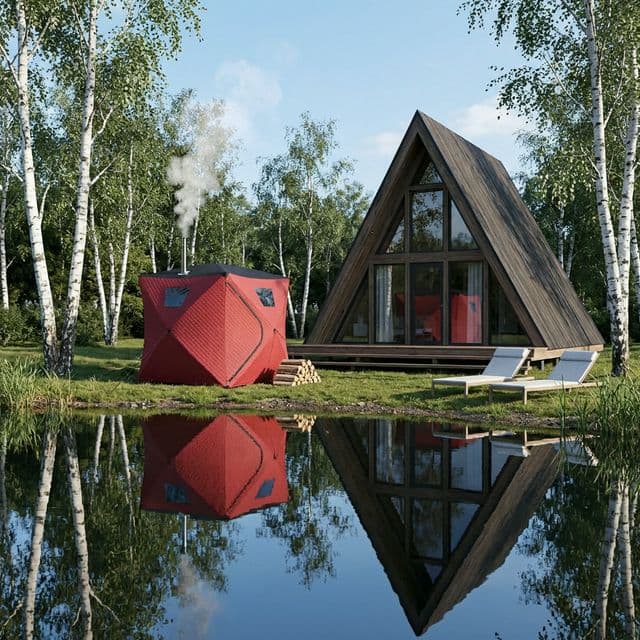
Product image deck
These images are planning references, not proof of fit. Use them to visualize footprint, shared use, and storage behavior in a real home context.
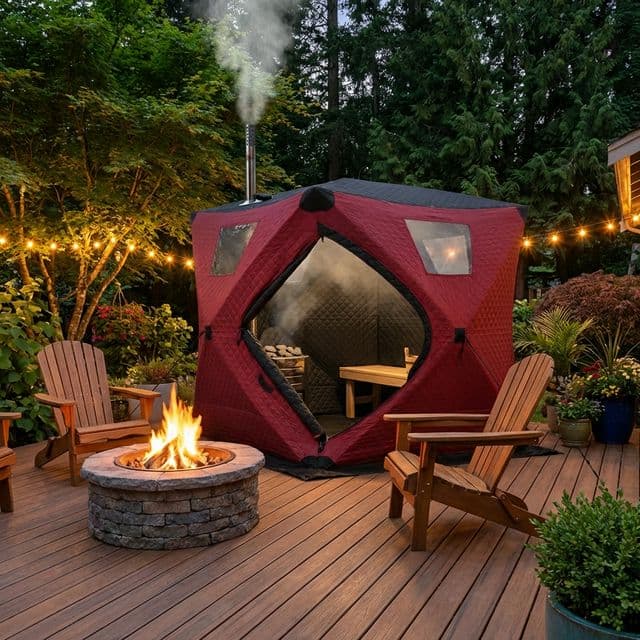
Portable sauna setup showing a small backyard footprint reference
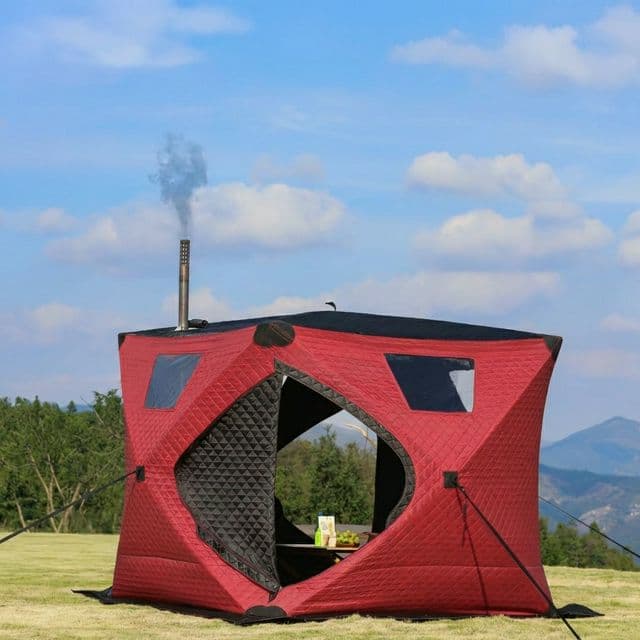
Clean portable sauna product render useful for footprint and storage planning
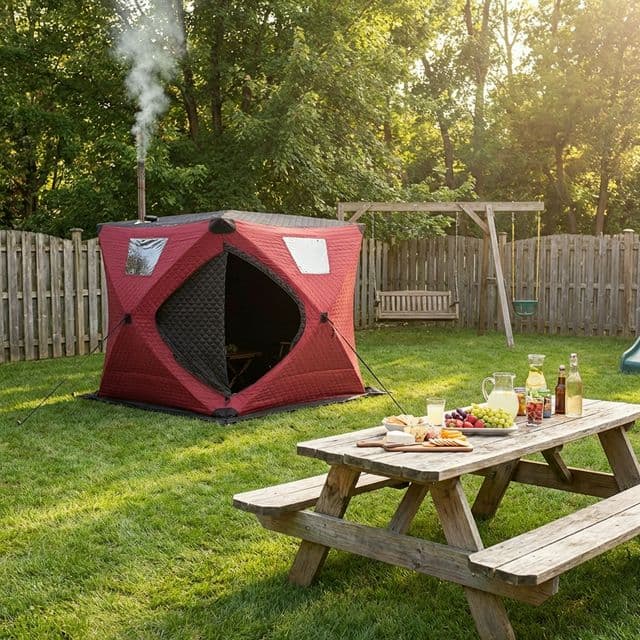
Family-use portable sauna scene illustrating why multi-user expectations need space checks
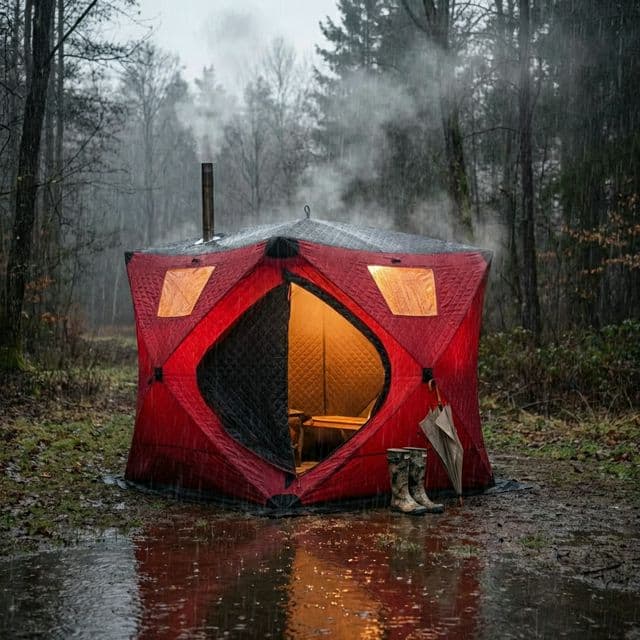
Portable sauna in a damp-weather context reminding users to plan dry-out and storage
Higher-comfort portable sauna reference with more semi-permanent corner behavior
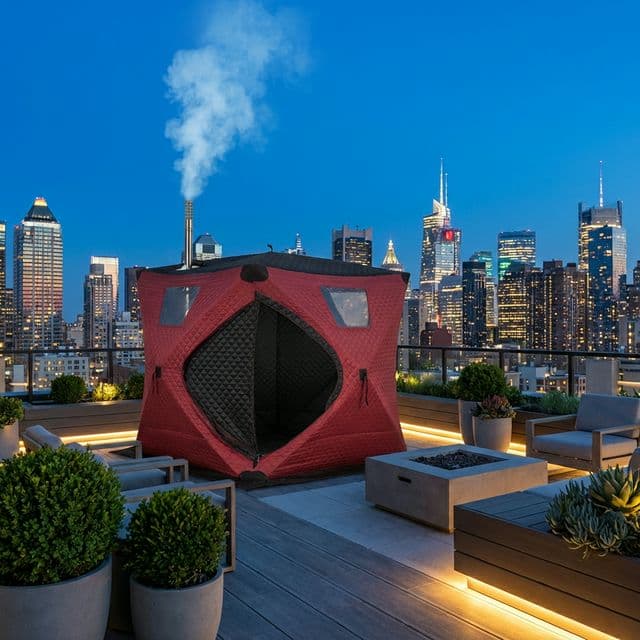
Urban home-use sauna reference highlighting portability versus fixed-install tradeoffs
Need a manual portable-home review before checkout?
Email your tool band, room area, fold-away storage area, branch-circuit assumption, and cleanup plan. We reply with the smallest realistic next step.
FAQ: high-frequency decision questions
Questions are grouped by fit, moisture, safety, cost, and next-step workflow so the page solves both immediate and trust-building intent.
Portable home steam sauna next step
Run the planner, verify the report sections tied to your band, and send the result to support before you commit to a listing. This page is designed to stop avoidable home-fit mistakes, not to push faster checkout.
Report published: March 23, 2026. Last updated: March 23, 2026 (stage1 primary + stage1b research enhance + stage1c self-heal pass). This page is informational and does not replace electrician, seller-document, or medical guidance. Review cadence: refresh key assumptions every 6-12 months or whenever product listings, utility pricing, or household risk constraints shift.