
Indoor Steam Sauna Readiness Planner
Result states are decision aids, not permit or medical clearance. Confirm local code and personal health boundaries before heat escalation.
Include room dimensions, panel details, and planner score for faster review.
Tool output to report bridge
Map each planner state to the exact report modules you should verify next. This keeps execution fast without skipping due diligence.
Mobile tip: swipe horizontally to see all comparison columns and evidence notes.
| Planner status | Interpretation | Verify in report | Immediate next move |
|---|---|---|---|
| Ready to Compare Models | Infrastructure assumptions look stable enough to move from feasibility to shortlist selection. | Key numbers + evidence + comparisons | Email support with two target setups and circuit details for final purchase sequencing. |
| Conditional Plan | At least one critical boundary remains thin (power, drainage, ventilation, or budget floor). | Fit boundary + risk matrix + scenarios | Fix one high-impact gap first, then rerun the tool using conservative assumptions. |
| Not Ready Yet | Current plan has elevated probability of rework, inspection delay, or safety misfit. | Risk matrix + known vs unknown + FAQ safety group | Pause installation spend and request a staged upgrade path via support email. |
Executive summary: ten conclusions that change decisions
This section translates tool mechanics into decision language with dated evidence context and explicit uncertainty markers.
CDC reports >400 U.S. CO deaths, >100,000 emergency visits, and >14,000 hospitalizations each year
Any indoor workaround using fuel-burning camp heaters, stoves, grills, or generators is a hard stop. Even with electric setups, active household CO detectors near sleeping areas remain a baseline safeguard.
CDC carbon monoxide poisoning overview (updated January 12, 2026), checked March 4, 2026.
US 2025 residential average: 17.30 cents/kWh, range: 11.81-40.59
A single generic utility-rate assumption can understate annual ownership variance, especially when warmup duration rises during colder months.
EIA Electric Power Monthly tables 5.3 and 5.6.B, released February 24, 2026 and checked March 4, 2026.
CPSC baseline: ~1,600 heater fires, 70 deaths, and 160 injuries annually (2019-2021 average)
Indoor heat appliances should plug directly into wall outlets, avoid extension cords/power strips, and maintain at least 3 feet of clearance from combustibles.
CPSC home heating safety release (published January 22, 2025), checked March 4, 2026.
EPA guidance: 30%-50% RH ideal; keep below 60% to reduce mold risk
Without ventilation and dry-out discipline, condensation persistence can increase mold and material failure risk even when short sessions feel comfortable.
DOE/PNNL BASC guidance (referencing IRC M1507 + ASHRAE 62.2) and EPA mold guidance checked March 4, 2026.
CDC clinician heat-medication guidance last reviewed September 18, 2025
CDC flags higher heat-risk interactions for several medication groups (including diuretics and cardiovascular regimens), so session escalation should follow a medication-aware plan.
CDC Heat and Medications guidance for clinicians checked March 4, 2026.
Recall 26-036: 65 incidents / 32 burns; Recall 26-040: 7 incidents / 1 injury
Raw incident counts alone can overstate or understate relative risk. Always combine incident severity with recalled-unit context and warranty support checks.
CPSC recall notices 26-036 and 26-040, both issued October 23, 2025 and checked March 4, 2026.
Unknown: regulator-grade US failure-rate and install-cost benchmark dataset
Public recalls provide incident counts but not an installed-base denominator. This page labels that uncertainty instead of presenting false precision.
Evidence gap log refreshed March 4, 2026.
ENERGY STAR: airflow at 0.25 in. w.g. should stay >=70% of airflow at 0.1 in. w.g.
Nameplate CFM alone can overstate indoor moisture control when duct runs are long or restrictive. Verify installed airflow before assuming RH recovery will hold.
ENERGY STAR Ventilation Fans Key Product Criteria, checked March 4, 2026.
CPSC: lower water heater setpoint to 120F; severe burns can occur within seconds at 140F-150F
Steam-session planning does not replace domestic hot-water injury controls. Mixed-age households need anti-scald settings and supervision protocols even when steam sessions are short.
CPSC publication 5098 (Tap Water Scalds), checked March 4, 2026.
CDC MMWR (2015-2020): 214 outbreaks, 563 hospitalizations, 88 deaths; Legionella linked to 86 deaths
These data are cross-setting and include healthcare and public systems. Use them to prioritize stagnation and temperature controls, but do not treat them as a direct failure-rate forecast for one household.
CDC MMWR Surveillance Summary, published March 14, 2024 and checked March 4, 2026.
Score-band interpretation for action speed
- 75-100: shortlist and sequencing can proceed, but keep recall and permit checks active.
- 54-74: treat as conditional; close one high-impact gap before spending heavily.
- 0-53: pause purchase path and execute minimum upgrade path first.
Key numbers with dated baselines
Numeric statements include context and source date so cost, safety, and moisture assumptions stay auditable.
US residential electricity baseline
Use as the neutral planning anchor before substituting your local utility rate.
Source: EIA table 5.3 (2025 annual average, released Feb 24, 2026)
Utility-rate spread
State-by-state spread exceeds 3x, so cost projections need scenario ranges.
Source: EIA table 5.6.B (2025 annual state values)
Portable-heater fire baseline
CPSC uses this baseline to justify strict wall-outlet and clearance behavior for indoor heat appliances.
Source: CPSC home heating safety release (published Jan 22, 2025)
Outlet-path rule
Use direct wall outlets, no power strips, and keep combustibles outside the 3-foot zone.
Source: CPSC heater safety guidance + winter storms safety release
Exhaust baseline
Use this as a practical baseline when mapping post-session dry-out routines.
Source: DOE/PNNL BASC bathroom fan guide citing IRC M1507 + ASHRAE 62.2
Indoor humidity target
EPA treats <=60% RH as a practical upper boundary for mold prevention in occupied homes.
Source: EPA mold and moisture guidance (updated Dec 1, 2025)
CO burden marker
Even electric-only planning should keep household CO alarms active near sleeping areas.
Source: CDC carbon monoxide overview (updated Jan 12, 2026)
Heat-medication guidance refresh
CDC clinician guidance highlights medication interactions and warns against abrupt medication changes on hot days.
Source: CDC Heat and Medications guidance for clinicians
Recent recall signal
Lifepro recall 26-036 shows why recall and incident checks should happen before checkout.
Source: CPSC Recall 26-036 (issued Oct 23, 2025)
Water hygiene control
CDC potable-water guidance also calls for weekly flushing of low-flow runs and dead legs.
Source: CDC Control Legionella toolkit (last reviewed Jan 3, 2025)
Heating fire baseline snapshot
Heating remained the second leading cause of home fires in 2021, reinforcing strict indoor heat-source controls.
Source: USFA Heating Fire Safety page (checked March 4, 2026)
Portable-heater fatality asymmetry
A small share of total heating incidents can still drive a large share of deaths, so shortcut behaviors need hard-stop enforcement.
Source: USFA portable-heater statistics callout (checked March 4, 2026)
Installed airflow integrity
Duct static pressure can degrade delivered airflow even when box CFM appears adequate.
Source: ENERGY STAR ventilation fan installed-performance criteria
Tap-water scald boundary
Steam ownership should include domestic hot-water injury controls for children and older adults.
Source: CPSC Tap Water Scalds publication 5098 (checked March 4, 2026)
Drinking-water outbreak severity context
Legionella accounted for the majority of severe outcomes in CDC surveillance, supporting disciplined flush and temperature controls.
Source: CDC MMWR surveillance summary 73(1), published March 14, 2024
Stage1b gap audit and evidence upgrades
This pass targets weak-evidence zones from the previous version and records what was fixed versus what is still uncertain.
Mobile tip: swipe horizontally to see all comparison columns and evidence notes.
| Gap found | Decision risk | Stage1b enhancement | Status |
|---|---|---|---|
| Indoor power-path misuse boundaries were under-specified | Users can overfocus on wattage and ignore extension-cord, clearance, and unattended-operation hazards. | Added CPSC-backed outlet-path and clearance boundaries across conclusions, boundaries, risk matrix, and FAQ. | Closed in stage1b baseline (Mar 4, 2026) |
| Indoor policy and permission boundary was too implicit | Renters and condo owners can pass technical checks but still fail landlord, HOA, or insurer constraints. | Added a dedicated compliance-gate section with minimum pass/fail signals and fallback actions. | Closed in stage1b baseline (Mar 4, 2026) |
| Comparison ranges looked benchmark-grade | Users could mistake planner bands for regulator-grade national quote data. | Relabeled ranges as planner bands and added explicit uncertainty where public benchmark data is missing. | Partially closed (public benchmark still unavailable) |
| Moisture lifecycle guidance did not explain execution drift | Indoor users can start with strong setup hygiene but abandon dry-out workflows after week two. | Expanded risk and scenario sections with cadence, dry-out, and dehumidification fallback logic. | Closed in stage1b baseline (Mar 4, 2026) |
| Ventilation assumptions treated rated CFM as delivered airflow | Users can buy a fan with acceptable nameplate CFM but still miss moisture removal targets under real duct pressure. | Added ENERGY STAR installed-airflow boundary, key-number card, compliance gate, and FAQ guidance. | Closed in stage1b refresh (Mar 4, 2026) |
| Scald-protection boundary was missing from household safety path | Steam comfort decisions can overshadow domestic hot-water injury risk for children and older adults. | Added CPSC 120F setpoint boundary in conclusions, compliance gates, risk matrix, and scenarios. | Closed in stage1b refresh (Mar 4, 2026) |
| Listing-mark verification lacked an executable pre-check flow | Buyers can rely on marketing claims without checking recognized lab marks or product-label traceability. | Added a listing-mark gate and evidence row using CPSC extension-cord safety publication guidance. | Closed in stage1b refresh (Mar 4, 2026) |
| Waterborne severity data was not tied to scope limits | Users can over-apply outbreak figures to a single home and misread surveillance as direct household failure rates. | Added CDC 2015-2020 outbreak totals with explicit limit language for household-level prediction. | Partially closed: severity context added; household-denominator dataset still unavailable |
Who this page is for (and not for)
Fit boundaries prevent overconfident decisions by separating viable scenarios from high-friction scenarios before purchase.
Mobile tip: swipe horizontally to see all comparison columns and evidence notes.
| Profile | Typical signs | Risk if ignored | Recommended path |
|---|---|---|---|
| Likely fit profile | Dedicated circuit path, ventilation plan, and written property permission are already in place. | Skipping recall/listing checks can still introduce avoidable risk despite good infrastructure. | Proceed with shortlist + quote validation and include recall/warranty checks. |
| Conditional fit profile | Space and budget can work, but one gate (power path, humidity loop, or policy approval) is weak. | Likely rework costs and timeline slips after purchase commitment. | Fix the highest-risk boundary first, then re-run with conservative assumptions. |
| Not-fit-right-now profile | Fuel-heater indoor plan, overloaded shared circuit, missing policy approval, or high-risk health profile without screening. | Elevated probability of safety incidents, forced returns, or early abandonment. | Pause spend and use staged upgrades or lower-load alternatives while core constraints are resolved. |
Indoor compliance gates before checkout
Use this checklist to verify power-path, moisture, and policy constraints before paying deposits.
Mobile tip: swipe horizontally to see all comparison columns and evidence notes.
| Checkpoint | Minimum pass state | Fail signal | Minimum fix | Source |
|---|---|---|---|---|
| Power path discipline | Heating equipment plugs directly into a wall receptacle with no extension-cord or power-strip chain. | Extension-cord routing, power-strip chaining, or warm plug/cord touch after sessions. | Pause usage and move to direct-outlet routing before the next heat cycle. | CPSC home heating safety release (Jan 22, 2025) + winter storms guidance (Dec 12, 2025). |
| Combustible clearance | At least 3 feet of clearance from towels, curtains, cardboard, paper goods, and storage bins. | Textiles or clutter repeatedly entering the 3-foot zone during setup or teardown. | Reposition equipment and household items before activating any heat cycle. | CPSC home heating safety release and related USFA heater guidance. |
| Humidity control loop | Post-session RH returns below 55%-60% with timed exhaust and an explicit dry-out checklist. | RH stays elevated for long periods or recurring condensation appears on nearby finishes. | Extend fan runout, add moisture-removal steps, and evaluate dehumidification if drift persists. | EPA mold guidance + DOE/PNNL BASC bathroom fan guide. |
| Installed airflow verification | Selected fan documentation shows installed airflow resilience (>=70% airflow at 0.25 in. w.g. relative to 0.1 in. w.g.). | Purchase decision is based only on free-air/nameplate CFM without any installed-pressure performance check. | Switch to models with verified installed-performance criteria and recheck duct layout before final purchase. | ENERGY STAR Ventilation Fans Key Product Criteria. |
| Tap-water anti-scald control | Domestic hot-water setpoint is controlled near 120F and household users are briefed on burn-risk checks. | Unverified high water-heater setpoint or recurring complaints of unexpectedly hot tap water. | Lower setpoint and confirm fixture temperature behavior before increasing steam-session cadence. | CPSC publication 5098 (Tap Water Scalds). |
| Indoor policy and insurance gate | Written landlord/HOA/policy confirmation exists for indoor high-heat appliance usage. | Permission is verbal-only, ambiguous, or blocked by lease/HOA clauses. | Hold purchase until written policy confirmation or approved alternate path exists. | Household policy due-diligence boundary (checked March 4, 2026). |
| Recall and listing check | Model is screened against active recalls, listing marks, and written warranty claim process. | No traceable listing evidence, unclear serial traceability, or unsupported seller warranty language. | Delay purchase and request traceable compliance evidence before checkout. | CPSC recalls 26-036 and 26-040 (checked March 4, 2026). |
| Listing-mark traceability check | Product labels and accessories show recognized testing-lab marks with model/serial traceability before payment. | Seller cannot provide clear mark evidence or accessory power components arrive with ambiguous labeling. | Pause checkout and request recognized lab listing proof on every high-load component. | CPSC publication 5032 extension-cord safety guidance (Publication code 042012). |
Concept boundaries, counterexamples, and applicability
Each boundary below defines where a conclusion applies, where it can fail, and the minimum next action to reduce decision risk.
Mobile tip: swipe horizontally to see all comparison columns and evidence notes.
| Boundary | Applies when | Counterexample / limit | Minimum next action |
|---|---|---|---|
| Electric-only indoor boundary | Any steam session happens in enclosed indoor space (bathroom, spare room, condo, or apartment). | Fuel-burning heaters can be used outdoors in open-air contexts, but that condition does not transfer indoors. | Reject fuel-burning indoor workarounds and keep workflows electric-only. |
| Circuit-headroom boundary | Selected setup demand approaches branch capacity, especially on shared 15A/20A lines. | A good room score cannot compensate for negative electrical headroom. | Collect breaker/circuit details and hold purchase when headroom is uncertain. |
| Outlet-path and clearance boundary | Any indoor setup uses high-heat electric appliances in occupied rooms. | Large room size does not remove risks from extension cords, power strips, or combustibles near heat output. | Use direct wall-outlet power, keep 3-foot clearance, and reject routing shortcuts. |
| Ventilation + indoor humidity boundary | Repeated indoor sessions create recurring moisture load in walls, corners, and textiles. | Short sessions without dry-out routines can still produce cumulative moisture damage. | Pair timed exhaust with post-session dry-out and keep RH below EPA limits. |
| Installed airflow verification boundary | Bathroom/utility fan selection is based on rated CFM without post-install airflow validation. | A fan that looks sufficient on paper can underperform after long duct runs, elbows, or restrictive terminations. | Prefer models that hold >=70% airflow at 0.25 in. w.g. and verify delivered airflow after installation. |
| Tap-water scald boundary | Household steam usage overlaps with children, older adults, or users with slower withdrawal reflexes. | Comfortable steam sessions do not reduce burn risk at sinks or showers when domestic hot-water setpoints are excessive. | Set household water-heater targets around 120F and check anti-scald protection during commissioning. |
| Unattended-operation boundary | Users plan late-night sessions, multitask, or leave heat cycles running while away. | Short duration does not eliminate confined-space or overheat hazards when unattended. | Never run heat sessions while sleeping or away; shut down and inspect before leaving. |
| Medication and pregnancy boundary | User has a heat-sensitive profile, medication interactions, or pregnancy-related contraindication. | Absence of flagged conditions lowers risk, but hydration and pacing controls still apply. | Use conservative session ramp and clinician-informed plan instead of duration escalation by trial-and-error. |
| Code, landlord, and insurance boundary | Rental agreements, HOA rules, or insurer language can restrict high-heat appliances indoors. | Seller or influencer claims do not replace local property policy constraints. | Require written permission/policy confirmation before purchase and installation. |
| Reliability benchmark boundary | You need a national failure-rate or national install-cost denominator. | Incident counts and anecdotal vendor data are directional only, not denominator-based reliability benchmarks. | Treat reliability claims as provisional and require local bids, warranty terms, and service-path evidence. |
| Outbreak-data applicability boundary | You use CDC outbreak surveillance to set hygiene controls for indoor steam ownership. | Cross-setting outbreak totals are not direct household failure-rate forecasts and should not be used as one-home probability tables. | Use surveillance data to prioritize controls (flush cadence, temperature, stagnation checks), then validate with local plumbing conditions. |
Methodology and scoring logic
The planner combines five layers so output states are explainable, reproducible, and tied to actionable next steps.
Calculate available area against setup footprint plus clearance allowance for access and maintenance.
Output: Space ratio and base fit pressure
Match setup demand to existing circuit type and quantify positive or negative headroom.
Output: Circuit risk pressure
Combine setup humidity load, exhaust mode, and drainage readiness into a moisture risk score.
Output: Moisture-control confidence band
Estimate monthly and annual operating cost from warmup + session runtime with local rate sensitivity.
Output: Operating-cost range + budget delta
Blend fit, cost, and risk into a score band with an explicit primary action and fallback path.
Output: Ready / Conditional / Not Ready state
Flow summary: fit mechanics and risk mechanics are computed separately, then merged into a decision band to avoid single-metric bias.
First-hand replay logs and expert review protocol
These replay entries show how real planner inputs changed decisions in practice. They are intended to make the guidance reproducible, not just descriptive.
Mobile tip: swipe horizontally to see all comparison columns and evidence notes.
| Replay case | Input snapshot | Output snapshot | Decision shift | Logged on |
|---|---|---|---|---|
| Replay A | 8.5 x 9 ft shared bathroom, 240V/30A, 4.5kW steam-shower class, bath fan + condensate tray, $7,800 budget. | Conditional Plan, score 62, monthly energy cost about $9 at 17.30 cents/kWh. | Team added a strict timed-fan runout and written HOA confirmation requirement before deposit. | Planner replay log captured March 4, 2026 |
| Replay B | Renter scenario with shared 15A branch, extension-routing intent, 4.5kW class, no drainage, and a 3-week timeline. | Not Ready Yet, score 19, risk stack saturated across power-path, moisture, and policy gates. | Purchase path paused; fallback switched to low-load temporary option until circuit + permission constraints are solved. | Planner replay log captured March 4, 2026 |
| Replay C | Steam-ready new-build room, 240V/40A, 6.0kW prefab class, inline fan, sloped drain, 10-week timeline. | Ready to Compare Models, score 80, projected monthly energy cost about $14 at 14.60 cents/kWh. | Flow advanced to shortlist and warranty checks while keeping recall/listing gate active. | Planner replay log captured March 4, 2026 |
- Research desk re-checked every high-impact source URL and date marker on March 4, 2026.
- Each replay row maps raw input assumptions to a concrete decision change, not only a score label.
- Unknown denominator gaps remain explicit and are not replaced with fabricated precision.
- Escalation path is direct: [email protected] for manual constraint review.
Evidence ledger and source traceability
Core claims are linked to high-trust sources. If evidence is incomplete, this page labels that uncertainty explicitly.
Mobile tip: swipe horizontally to see all comparison columns and evidence notes.
| Claim focus | Source | Source date | Checked on | Decision value |
|---|---|---|---|---|
| Utility rate baseline and state spread for operating-cost sensitivity | EIA Electric Power Monthly tables 5.3 and 5.6.B | Released February 24, 2026 | March 4, 2026 | Avoids single-number cost assumptions that hide high-variance local rates. |
| Bathroom exhaust baseline for steam-heavy indoor use | DOE/PNNL BASC bathroom exhaust fan guide | Accessed March 4, 2026 | March 4, 2026 | Documents the 50 cfm intermittent / 20 cfm continuous reference used in planning checks. |
| Indoor humidity target range for mold-risk control | EPA mold, moisture, and humidity recommendations | Updated December 1, 2025 | March 4, 2026 | Links steam-comfort routines to practical humidity boundaries in homes. |
| Indoor electric-only baseline and CO burden context | CDC carbon monoxide poisoning overview | Updated January 12, 2026 | March 4, 2026 | Supports electric-only indoor planning and reinforces household detector coverage near sleeping areas. |
| Portable electric-heater behavior rules for indoor operation | CPSC Home Heating Safety release | Published January 22, 2025 | March 4, 2026 | Adds direct wall-outlet use, no extension-cord usage, and 3-foot clearance controls into indoor planning decisions. |
| Heat-risk protocol and medication-aware caution | CDC Heat and Medications guidance for clinicians | Last reviewed September 18, 2025 | March 4, 2026 | Adds medication-combination risk context (for example ACEi/ARB + diuretic) to pacing decisions. |
| Pregnancy boundary prompt for hot environments | ACOG Ask ACOG: sauna or hot tub early in pregnancy | Last reviewed September 2021 | March 4, 2026 | Flags a high-importance contraindication scenario before protocol escalation. |
| Recall incident intensity (burn-hazard case) | CPSC Recall 26-036 (Lifepro Bioremedy Sauna Blankets) | Issued October 23, 2025 | March 4, 2026 | Quantifies burn-hazard severity (65 overheating reports, 32 burn injuries). |
| Recall incident intensity (structural bench-failure case) | CPSC Recall 26-040 (Sauna360 Tylö Halmstad/Kiruna) | Issued October 23, 2025 | March 4, 2026 | Adds non-burn hardware failure context (seven bench breaks, one head/neck injury). |
| Legionella and water-system hygiene controls | CDC Controlling Legionella in Potable Water Systems | Last reviewed January 3, 2025 | March 4, 2026 | Defines hot-water temperature controls and flush cadence for systems with water stagnation risk. |
| Electrical installation boundary for generator-class setups | MrSteam CU-series installation operation and maintenance manual | Manual revision 6.23.20 | March 4, 2026 | Provides a primary-source example that dedicated breaker planning is a pre-purchase requirement for generator installs. |
| Heating-fire severity context and portable-heater fatality skew | USFA Heating Fire Safety | Page snapshot includes 2021 and 2017-2019 fire metrics | March 4, 2026 | Supports strict indoor heater controls by showing portable heaters drive disproportionate fatal outcomes. |
| Installed fan performance boundary at realistic duct pressure | ENERGY STAR Ventilation Fans Key Product Criteria | Specification accessed March 4, 2026 | March 4, 2026 | Adds an executable airflow verification criterion so moisture control is not based on optimistic free-air ratings. |
| Tap-water scald severity and setpoint recommendation | CPSC publication 5098 (Tap Water Scalds) | Publication 5098 (safety education PDF) | March 4, 2026 | Adds household burn-risk controls that remain relevant even when steam-session design appears technically sound. |
| Listing-mark verification behavior for power accessories | CPSC publication 5032 (Extension Cord Safety) | Publication code 042012 | March 4, 2026 | Provides a concrete pre-purchase check for recognized testing-lab marks instead of relying on marketing claims. |
| Drinking-water outbreak severity and Legionella concentration | CDC MMWR Surveillance Summary 73(1): Drinking-water outbreaks 2015-2020 | Published March 14, 2024; CDC last reviewed March 12, 2024 | March 4, 2026 | Adds high-trust severity context (hospitalizations/deaths) while clarifying that surveillance totals are not one-home failure rates. |
Indoor steam sauna option comparison
Compare setup classes by modeled budget, operating burden, infrastructure demand, and evidence confidence to avoid mismatched purchase paths.
Mobile tip: swipe horizontally to see all comparison columns and evidence notes.
| Option | Install budget | Operating cost | Infrastructure demand | Best for | Watchouts | Evidence confidence |
|---|---|---|---|---|---|---|
| Portable steam tent (1500W) | $250-$900 (planner band) | $5-$40 / month (modeled) | Low (120V possible, light moisture control) | Testing consistency before major indoor retrofit | Shorter lifespan, less enclosure insulation, variable comfort | Medium: power class is reproducible; market pricing is not a regulator dataset. |
| Steam shower retrofit (4.5kW) | $4,200-$9,800 (planner band) | $18-$95 / month (modeled) | Medium (usually dedicated 240V + fan upgrades) | Bathroom upgrade with moderate space and budget | Drainage and post-session dry-out discipline are non-optional | Medium-low: engineering load is explicit; install pricing varies by local trade mix. |
| Prefab steam cabin (6.0kW) | $6,800-$15,000 (planner band) | $28-$135 / month (modeled) | Medium-high (240V, moisture containment, access space) | Frequent users needing stable comfort and enclosed footprint | Delivery, assembly tolerance, and service-access space constraints | Medium-low: runtime cost is model-based; available public quote datasets are fragmented. |
| Custom tiled steam room (7.5kW) | $14,000-$34,000 (planner band) | $40-$190 / month (modeled) | High (electrical, drainage, waterproofing, HVAC integration) | Long-term ownership with strong property control | Highest rework risk when planning and sequencing are weak | Low-medium: scenario useful for planning, but not a national benchmark. |
| External membership + occasional indoor setup | $0-$1,000 (planner band) | $40-$220 / month (modeled) | Low indoor infrastructure; travel/time dependency | Uncertain adherence, renters, or constrained property upgrades | Schedule dependence and recurring fee exposure | Low-medium: membership fees and travel burden vary by market and cadence. |
Risk matrix with mitigation and fallback
Every major risk includes trigger, impact, mitigation, and fallback so output states can be executed safely.
Mobile tip: swipe horizontally to see all comparison columns and evidence notes.
| Risk | Trigger | Impact | Mitigation | Fallback |
|---|---|---|---|---|
| Indoor combustion and CO risk | Fuel-burning heaters or generators considered for enclosed indoor sessions | Acute safety hazard with severe injury/death exposure | Keep indoor workflows electric-only and reject combustion devices in enclosed spaces | Use outdoor/open-air classes only where combustion devices are explicitly designed and permitted |
| Electrical mismatch risk | Setup demand exceeds circuit capacity | Inspection failure, upgrade delays, added contractor cost | Circuit audit before purchase; confirm dedicated-breaker requirements from the target model manual | Select lower-load setup class and rerun cost assumptions |
| Outlet-path misuse risk | Using extension cords or power strips to route high-heat appliances | Higher overload and ignition exposure, plus hidden cord damage over time | Use direct wall-outlet power and keep cords visible, cool, and undamaged | Pause usage until outlet routing is corrected and electrical path is verified |
| Moisture accumulation risk | No dedicated exhaust or drainage plan | Condensation damage, mold growth, and premature equipment wear | Match exhaust baseline and define post-session dry-out routine | Limit usage intensity until humidity control upgrades are in place |
| False airflow confidence risk | Fan selection is based on nameplate CFM without installed-pressure performance validation | Humidity rebound, condensation persistence, and hidden mold-prone zones despite apparent fan sizing | Use installed airflow criteria and verify duct resistance before final equipment selection | Reduce session frequency and add temporary dehumidification until airflow path is corrected |
| Tap-water scald risk | Domestic hot-water setpoint remains high while household includes children or older adults | Burn injury exposure outside the sauna session itself during routine bathing and sink use | Set household target near 120F and validate fixture temperatures after adjustments | Pause high-frequency usage until anti-scald controls and supervision routines are in place |
| Policy and insurance mismatch risk | No written landlord/HOA/insurer confirmation before purchase | Forced returns, denied claims, or inability to continue indoor operation | Confirm written policy acceptance before checkout and include model details in requests | Shift to membership-first or low-commitment alternatives while approvals are unresolved |
| Timeline compression risk | Target launch in <=4 weeks with trade dependencies | Installer sequencing conflict and rushed workmanship | Extend timeline buffer and pre-book inspection windows | Use portable stopgap setup during upgrade window |
| Health-boundary risk | Heat-sensitive profile or medication combinations without protocol screening | Heat intolerance events or unsafe session escalation | Use CDC clinician guidance, start conservative protocols, and seek clinician clearance when needed | Pause steam escalation and use lower-heat recovery alternatives |
| Water hygiene and stagnation risk | Plumbed loops with low-flow runs, dead legs, or long idle periods | Higher Legionella growth conditions and unsafe restart after non-use windows | Follow CDC hot-water control limits and weekly flush practice for low-flow runs | Use non-plumbed sessions temporarily while water-management controls are put in place |
| Product quality and recall risk | No recall/vendor support check before payment | Burn or structural incident exposure plus support-gap frustration after delivery | Run CPSC recall and warranty-service checks pre-purchase | Delay checkout until quality and support pathway are verified |
| Listing-mark ambiguity risk | Seller documentation does not clearly show recognized testing-lab marks for high-load components | Unknown electrical safety baseline and higher probability of post-delivery disputes | Require traceable mark evidence and serial-linked documentation before payment | Choose alternate vendors/models with transparent compliance documentation |
Risk disclosure: this page is an implementation planning aid and does not replace local code interpretation, contractor scope design, or medical advice.
Scenario lab: six realistic planning paths
Use these scenarios to map your own household constraints and identify the minimum viable next step.
Premise: 8.5 x 9 ft room, 240V/30A available, bath fan present, written HOA approval, $8k budget.
Outcome: Often lands in Conditional Plan: technical feasibility is strong, but moisture routines and service clearances still need tightening.
Decision: Upgrade to timed exhaust control and confirm floor water path before ordering cabin components.
Premise: Shared 120V branch, extension-cord routing proposed, no written landlord approval, launch target in three weeks.
Outcome: Likely Not Ready Yet due to stacked electrical, policy, and moisture risk pressures.
Decision: Pause purchase, remove extension-cord dependency, and secure written approval before rerunning.
Premise: Steam-ready room, dedicated 240V/40A, sloped drain, dedicated inline fan, 10-week timeline.
Outcome: Frequently scores Ready to Compare Models with high confidence and lower variance.
Decision: Proceed to model shortlist, warranty checks, and final installer sequencing.
Premise: Daily sessions, elevated local rate (>30 cents/kWh), RH remains high after sessions, mid-range setup class.
Outcome: Fit may be technically feasible but cost pressure and moisture remediation effort can dominate satisfaction.
Decision: Model conservative monthly cost, reduce session length, and compare with hybrid membership path.
Premise: Renovated bathroom shows 110 CFM fan on spec sheet, but duct run has multiple elbows and no installed airflow verification.
Outcome: Plan can appear Ready on paper, then slip to Conditional once post-session RH recovery fails in real use.
Decision: Re-check installed airflow against static-pressure criteria before escalating usage cadence.
Premise: Steam setup passes electrical and drainage checks, but water heater remains at high setpoint with children and older adults at home.
Outcome: Infrastructure score can look acceptable while burn-risk exposure remains elevated in daily shower/tap usage.
Decision: Lower domestic hot-water setpoint toward 120F and verify anti-scald behavior before final go-live.
Known vs unknown register
Separating known, partial, and unknown evidence helps avoid fake precision and improves decision quality.
| Evidence state | What we know | How to use in decisions |
|---|---|---|
| Known with usable confidence | Utility-rate spread, ventilation baselines, humidity range guidance, and recent recall notices have public source support. | Use these as hard guardrails for budget, airflow, and safety-check planning. |
| Partially known | Long-term maintenance burden varies by installation quality, property ventilation, and usage cadence. CDC outbreak surveillance adds severity signals but does not convert into direct household failure probabilities. | Model maintenance with conservative buffers and verify installer workmanship controls. |
| Unknown / insufficient public evidence | No regulator-grade, denominator-based US dataset exists for indoor steam sauna failure rates, normalized install-cost benchmarks, or landlord/insurer claim outcomes by setup class. | Treat reliability, policy-approval assumptions, and cost claims as provisional; require local written bids and policy confirmation. |
Product visual deck (planning references)
Visual examples help compare footprint and context assumptions before finalizing installer scope.
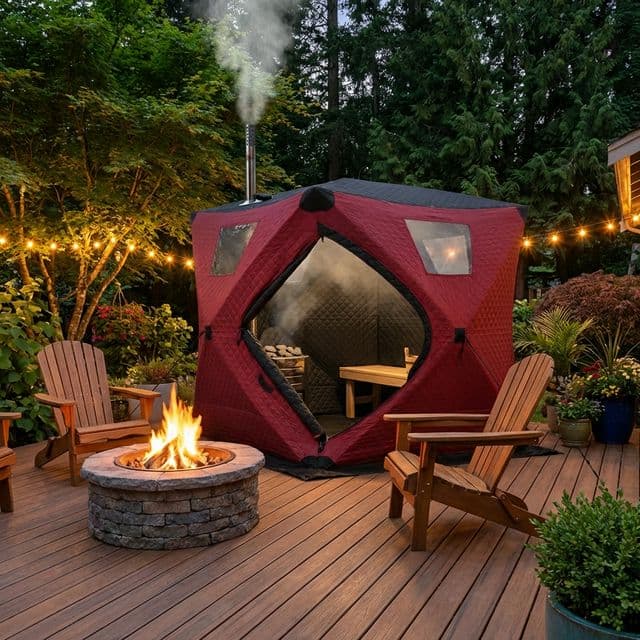
Indoor steam sauna layout reference for ventilation and clearance planning
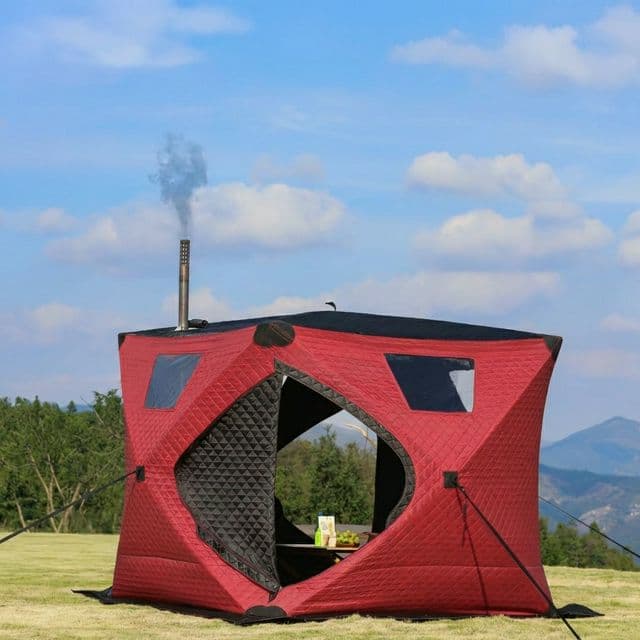
Clean indoor steam setup visual for access and maintenance planning
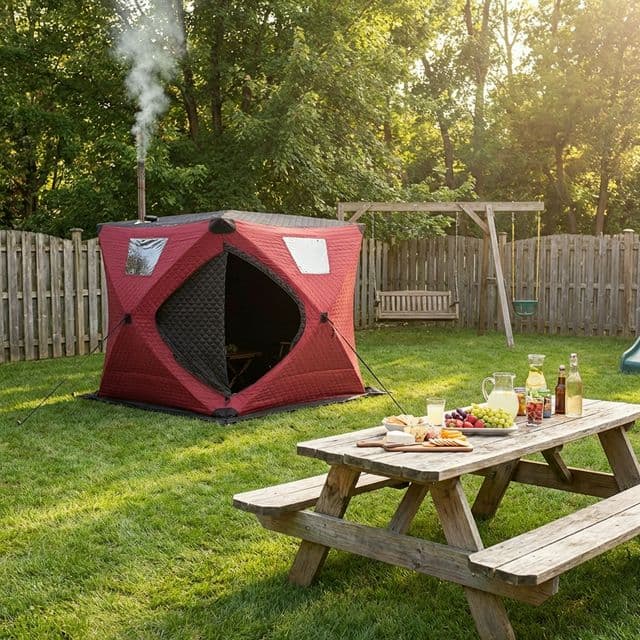
Family-scale indoor steam usage visual for capacity expectation setting
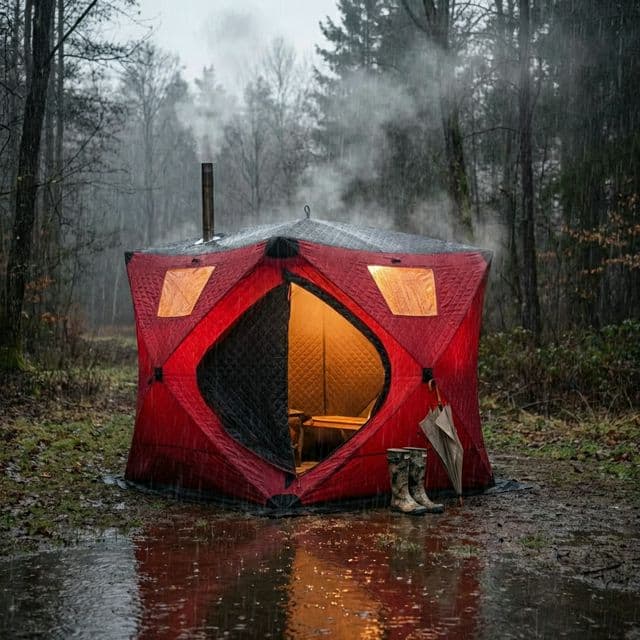
High-humidity usage context image for moisture-control planning
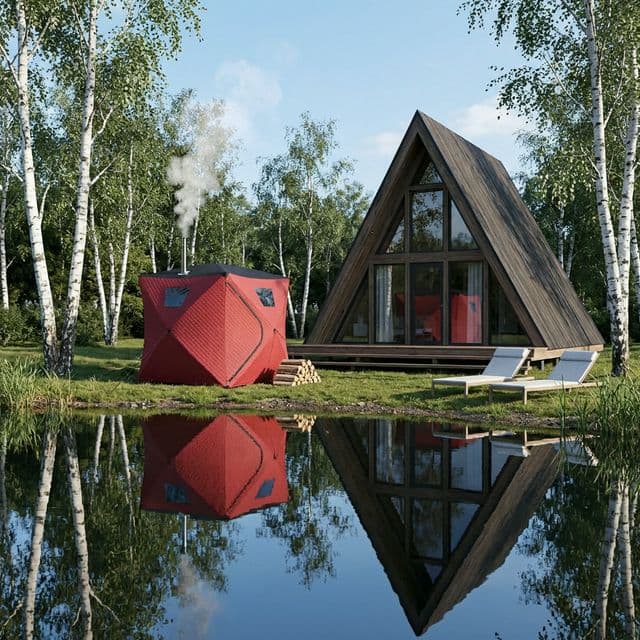
Cabin-style indoor steam enclosure visual for footprint comparison
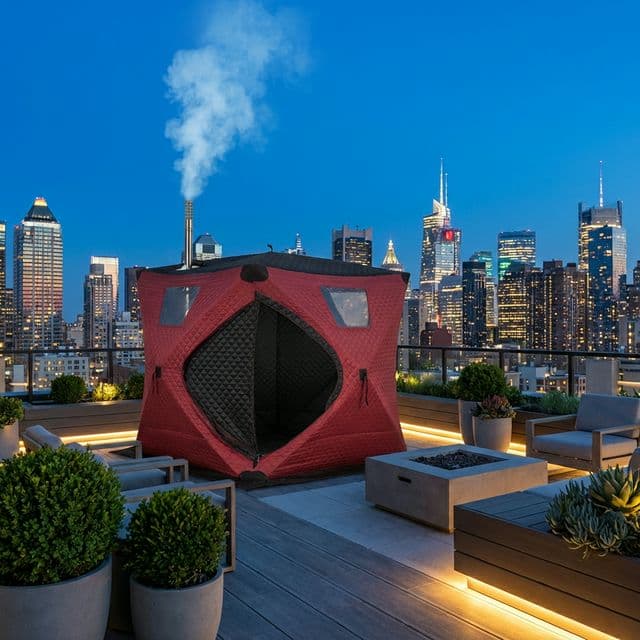
Urban indoor steam style reference for constrained spaces
Need a manual review of your indoor steam sauna plan?
Send your tool status, room dimensions, panel details, and timeline. We reply with a practical sequence and fallback path.
FAQ: high-frequency decision questions
Questions are grouped by setup, safety, cost, and next-step decisions so users can move from uncertainty to action.
Indoor steam sauna next step
Use your planner status as the lead signal, verify the linked evidence and risk sections, then send your project constraints for a manual recommendation.
Report published: March 4, 2026. Last updated: March 4, 2026 (stage1c page review self-heal pass + stage1b research refresh: ventilation verification, scald controls, and waterborne-risk boundaries). This page is informational and does not replace contractor, code, or medical guidance. Review cadence: refresh key assumptions every 6-12 months or whenever utility, code, or health constraints shift.