
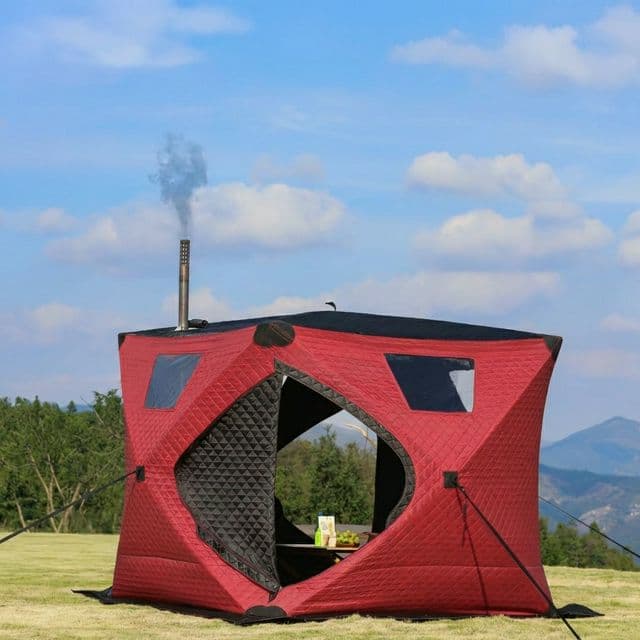
Portable Sauna Tent Window Materials: TPU vs. PVC Procurement Guide
Engineering comparison of TPU vs. PVC windows for portable sauna tents. Understand cold cracking limits, thermal off-gassing risks, and B2B sourcing standards.
One-Line Decision
For B2B procurement teams, specifying TPU (Thermoplastic Polyurethane) over standard PVC (Polyvinyl Chloride) for sauna tent windows is the safer default for outdoor or winter-use models because it materially reduces cold-cracking returns and heated-plasticizer odor risk, despite the typical 15-20% higher raw material cost.
Scope and Audience: Engineered for buyers, procurement managers, distributors, and product engineers. This guide dissects the polymer science, thermal stress limits, and regulatory compliance differences between transparent window materials used in portable sauna tent manufacturing.
Applicability and Limits: Reviewed July 24, 2026. Focuses on transparent, flexible polymers used for observation windows in heated fabric enclosures. It assumes extreme thermal delta conditions (e.g., 130°F interior vs. sub-zero exterior). Exact cold-crack and VOC performance still depends on polymer grade, film thickness, stabilizer package, and supplier batch, so final approval should rely on sample testing and grade-specific documentation.
1. The Procurement Blind Spot: Window Failure Modes
When sourcing portable sauna tents, procurement teams obsess over heater wattage and fabric denier, often accepting whatever transparent plastic the factory defaults to for the observation window. This is a critical supply chain blind spot.
The transparent window is the weakest structural link in any sauna tent. It endures severe thermal shock--the interior face is blasted with steam or infrared radiation up to 140°F (60°C), while the exterior face may be exposed to freezing ambient winter temperatures.
If the wrong polymer is specified, two primary failure modes occur:
- Winter Shipping & Handling DOA (Dead on Arrival): Rigid, frozen material shatters or cracks when the user unfolds the tent in a cold garage or yard.
- Thermal Off-Gassing (Toxicity): The material leaches plasticizers into the enclosed breathing zone when heated, creating chemical odors and violating health standards.
2. Chemical and Thermal Boundaries: TPU vs. PVC
To mitigate these risks, buyers must mandate the correct polymer chemistry on their Purchase Orders.
PVC (Polyvinyl Chloride)
Standard PVC is a rigid plastic that requires heavy chemical plasticizers (like phthalates) to become flexible enough to fold into a portable tent structure.
- Cold Cracking: PVC loses elasticity as temperatures drop. Around 14°F (-10°C), many commodity flexible PVC films become brittle enough that folding or impact can trigger structural tearing ("cold cracking").
- Heat Stability & VOCs: When exposed to sauna temperatures (120°F+), plasticized PVC may release odor-causing VOCs or plasticizer-related emissions. That risk is unacceptable when the window sits inside a small, heated breathing zone.
- Procurement Stance: Acceptable only for low-cost, strictly indoor use cases in climate-controlled environments where long-term durability is not the primary value proposition.
TPU (Thermoplastic Polyurethane)
TPU is a high-performance elastomer that bridges the gap between rubber and plastic. It achieves flexibility through its molecular structure, not through added liquid plasticizers.
- Cold Cracking: Suitable TPU grades maintain elasticity in freezing conditions and can be specified against impact brittleness targets down to -40°F (-40°C). A winter-use tent should not be approved unless the actual film grade and thickness pass the target condition.
- Heat Stability & VOCs: Because TPU does not rely on the same volatile plasticizer load as commodity flexible PVC, it is the cleaner procurement choice for heated wellness enclosures. Buyers should still request VOC or odor testing for the finished window assembly.
- Procurement Stance: Mandatory for premium brands, outdoor "glamping" setups, winter recovery kits, and any brand prioritizing non-toxic wellness.
3. Procurement Comparison Data
Evaluate this matrix when establishing product specifications with overseas manufacturers. For adjacent material and supplier QA workflows, keep this article tied to the engineering and sourcing review queues.
| Specification Metric | Standard PVC Window | TPU Window | Engineering & Sourcing Impact |
|---|---|---|---|
| Cold Crack Limit | ~ 14°F (-10°C) | ~ -40°F (-40°C) | Commodity PVC can create elevated DOA risk for Q4 winter deliveries in cold climates. |
| Heat Stability (VOCs) | Higher risk when plasticized | Lower risk when specified correctly | TPU reduces health-complaint and negative-review risk around "toxic plastic smells." |
| Abrasion Resistance | Moderate | High | TPU resists scratching and clouding from repeated folding much better than PVC. |
| Environmental Profile | Difficult to recycle, toxic to burn | More recycling-friendly in compatible streams | TPU better supports wellness-brand positioning when documentation backs the claim. |
| Relative Material Cost | Baseline (1x) | Premium (1.15x - 1.25x) | While TPU costs slightly more per unit, the reduction in warranty claims makes it cheaper at scale. |
| Visual Clarity | Can yellow over time via UV | Better long-term clarity when stabilized | TPU helps maintain premium aesthetics over a multi-year lifespan. |
| Approval Evidence | Supplier declaration often too vague | Grade datasheet plus brittleness and restricted-substance tests | Do not approve the window material from a generic "clear plastic" line item. |
4. Supplier Sourcing & Auditing Checklist
Before approving a production run, mandate the following verifications from the supplier to ensure you are receiving genuine TPU, not mislabeled PVC.
- Request Material Data: Demand the Material Safety Data Sheet (MSDS) specifically for the transparent window polymer, separate from the tent fabric.
- Require ASTM D1790 Testing: For cold-weather brands, require third-party lab testing for the "Brittleness Temperature of Plastic Sheeting by Impact" on the same film grade, thickness, and color/clarity package used in production.
- REACH Compliance (EU/Global): If targeting Europe (or health-conscious US markets), demand REACH Annex XVII testing to verify the absence of restricted phthalates.
- Perform the Freeze Test (In-House QA): During prototype sampling, place the folded tent in a standard commercial freezer (-20°C / -4°F) for 24 hours. Remove it and immediately unfold it. Commodity PVC may crack; the approved TPU sample should unfold without visible whitening, tearing, or hinge-line splits.
- Verify Thickness: Ensure the TPU film thickness is specified (usually 0.3mm to 0.5mm is ideal for balancing weight, flexibility, and insulation).
- Lock the Bill of Materials: Add "TPU transparent window film" with grade, thickness, supplier name, and test-report revision to the purchase order so production cannot substitute generic PVC after sample approval.
5. Frequently Asked Questions (FAQ)
Can I visually tell the difference between PVC and TPU on a sample?
It is difficult to tell by sight alone. However, TPU generally has a slightly more "rubbery" and elastic feel compared to the stiffer, more "crinkly" feel of PVC. The most reliable in-house method is the freeze test mentioned in the checklist above.
Does the window material impact the heat retention of the sauna?
Both materials act as an absolute vapor and wind barrier. While the thermal conductivity is slightly different, the surface area of the window is usually too small to significantly impact the overall heat retention of the tent. The primary concern is structural integrity, not R-value.
If my saunas are only sold in warm climates, is PVC acceptable?
Environmentally, PVC still poses off-gassing risks when heated. Mechanically, if the unit is never exposed to freezing temperatures during shipping, storage, or use, cold cracking is averted. However, for wellness brands, the toxicity profile of heated PVC remains a strong deterrent.
Do I need to clean TPU windows differently?
No harsh chemicals are needed. Because TPU is chemically resistant, wiping the condensation away with a clean microfiber cloth and mild soap/water is sufficient. Avoid abrasive sponges that could scratch the polymer surface.
6. Official Sources and Compliance References
To build bulletproof QA protocols, procurement teams should reference these global standards:
- ASTM D1790: Standard Test Method for Brittleness Temperature of Plastic Sheeting by Impact. Used to verify cold-crack claims. ASTM International.
- REACH Regulation (EC 1907/2006): European standard governing the registration, evaluation, authorization, and restriction of chemicals, including restricted-substance controls relevant to plasticized PVC. EUR-Lex REACH.
- EPA Indoor Air Quality (IAQ): Guidelines on Volatile Organic Compounds' impact on health, relevant to heated polymer off-gassing. EPA VOC Guidelines.
These references support the test method and regulatory frame. They do not replace grade-level supplier datasheets, restricted-substance reports, or prototype testing for the exact window film used in production.
Elevate Your Sauna Supply Chain with Reliable Polymers
In the portable sauna industry, sourcing cheap components leads directly to catastrophic warranty claims. Specifying the wrong window material guarantees negative reviews the moment winter arrives.
At TentSaunaSupply, we do not compromise on structural integrity. Our premium portable enclosures are manufactured with high-grade, cold-crack-resistant TPU observation windows and documented material controls for low-odor, restricted-substance compliant performance under infrared and steam heat.
Don't let a $2 sourcing shortcut destroy your brand's reputation. Partner with a manufacturer that understands thermal material science.
Contact our procurement team today to review our material spec sheets, request a physical prototype, and discuss how we can upgrade your current sauna tent supply chain.
Author

Categories
More Posts
Sauna Tent Frame Specifications: Aluminum, Steel, Fiberglass
Compare aluminum, steel, and fiberglass sauna tent frames for corrosion, cold-weather risk, weight, failure mode, RFQ specs, and B2B procurement decisions.
Sauna Tent Fabric Specifications: Thermal Retention, Oxford vs. Canvas, and CPAI-84 Compliance
An engineering and procurement guide to specifying sauna tent materials. Compare Oxford nylon vs. canvas, evaluate thermal retention layers, and understand CPAI-84 fire safety standards for B2B sourcing.
PFAS-Free Sauna Tent Manufacturing: Preparing for Global Chemical Bans in Textiles (2026-2027)
PFAS-free sauna tent manufacturing guide for B2B buyers: audit TOF risk, compare DWR options, and prepare for California and EU textile bans in 2026-2027.